Protecting Pedestrian Safety in the Workplace: Top 10 Safety Tips
In any workplace setting, pedestrian safety is a critical issue that cannot be overlooked.
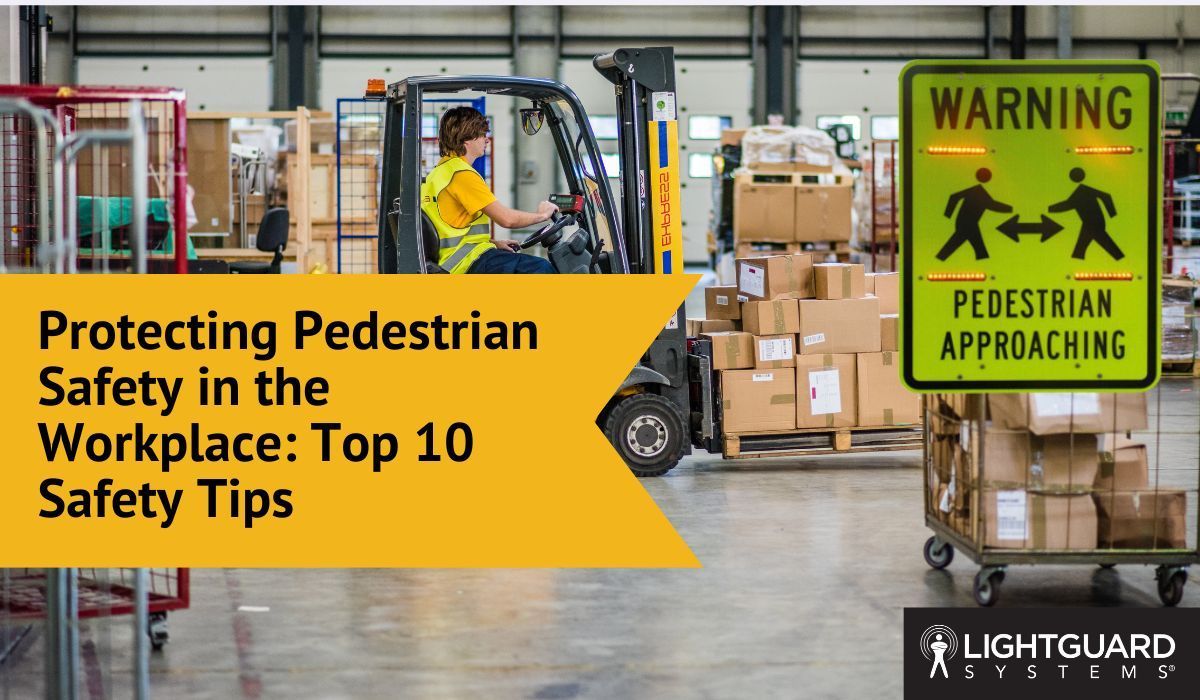
According to recent data, a surprising share of workplace fatalities involving vehicles doesn’t happen behind the wheel it happens on foot. Roughly 36% of forklift-related incidents involve pedestrians. Spend any time around a busy warehouse or yard, and that number starts to make uncomfortable sense. The real issue isn’t just the machines. It’s how people and machines are forced to share space, often with too little separation and not enough clarity. This is where workplace pedestrian safety becomes a daily operational priority, not just a policy.
And vehicles aren’t the only concern. People slip. Loads shift. Corners hide movement until the last second. Safety, in practice, is about managing all of it at once, not just the obvious risks.
Here are the top 10 workplace pedestrian safety tips that can help create a safer work environment:
Stay Alert:
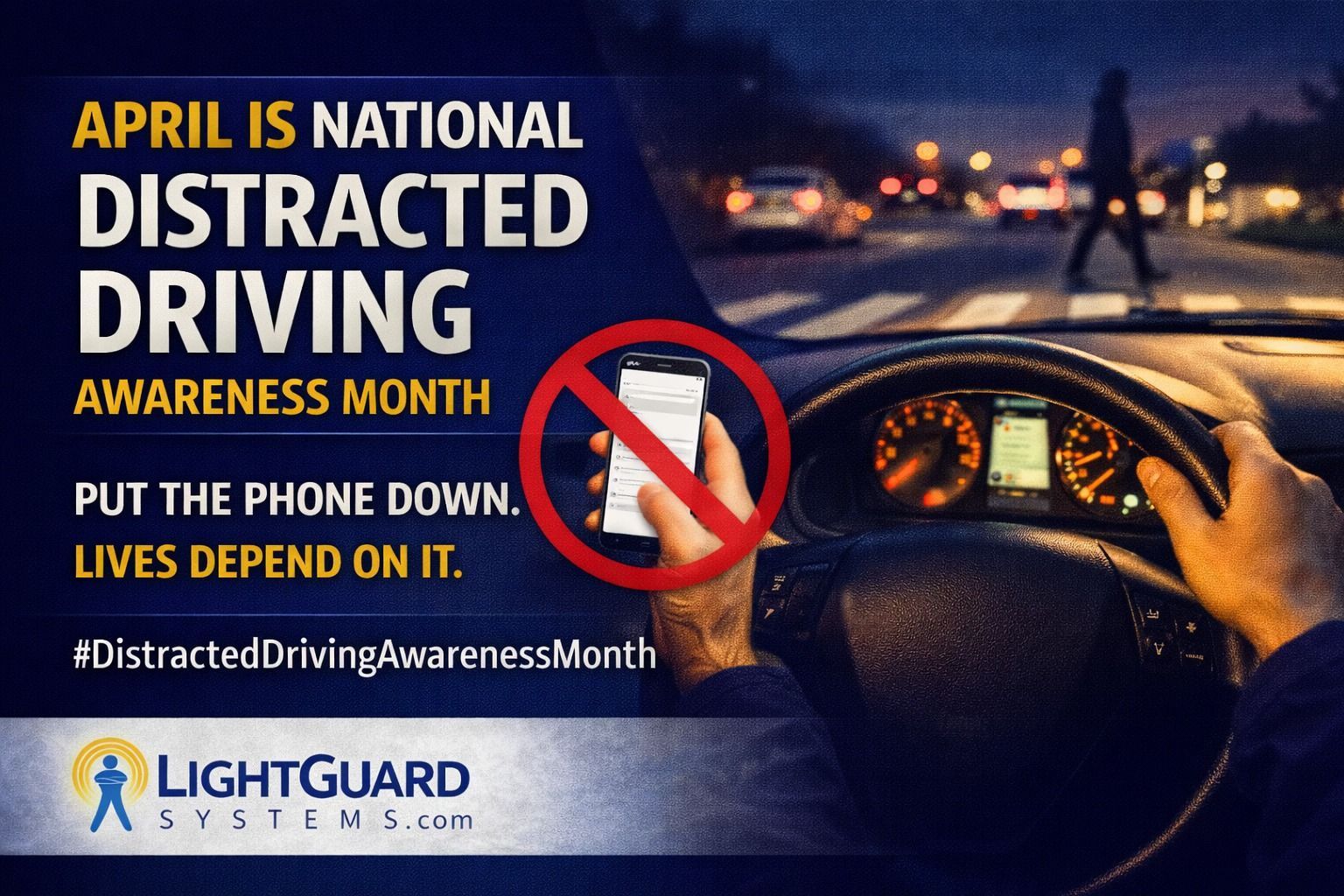
It sounds basic, but attention is the first thing to go when routines settle in. Phones, earbuds, quick conversations, they all chip away at awareness. In a live work zone, that margin matters.
Use Designated Walkways:
There’s usually a reason those paths exist. They’ve been laid out to keep foot traffic away from active equipment. Step outside them, and you’re relying on someone else to notice you in time.
Make Eye Contact:
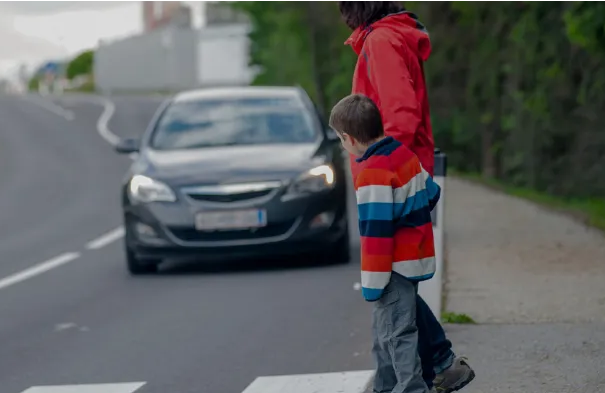
Don’t assume a driver sees you. Forklift operators, especially, are working with limited sightlines. A quick look, acknowledged on both sides, can prevent a bad call.
Wear High-Visibility Clothing
In low-light or cluttered environments, visibility drops fast. High-vis gear isn’t about compliance; it’s about being seen before it’s too late.
Follow Traffic Signs and Signals:
Workplace traffic systems only work if people treat them as real. Stop signs, marked crossings, directional arrows, they’re there to create predictability.
Avoid Blind Spots:
If you can’t see the operator, they probably can’t see you. Simple rule, often ignored.
Use Safety Barriers:
Physical separation does what policies sometimes can’t. Guardrails, bollards, and designated zones reduce reliance on perfect behavior.
Attend Safety Training:
The details change, new layouts, new equipment, new risks. Training keeps people current, not just compliant.
Report Any Safety Concerns:
Small hazards tend to stay small until someone points them out. Then they get fixed. Silence lets them grow.
Encourage a Safety Culture:
This one’s less tangible, but you feel it when it’s there. People look out for each other. They speak up. They don’t cut corners just to save a few seconds.
Following these habits goes a long way, but it’s only part of the picture. Workplace incidents involving pedestrians don’t always involve vehicles. Slips on worn flooring, objects stored where they shouldn’t be, collisions with fixed structures, these show up in incident reports more often than most people expect. A safer environment comes from addressing all of it, not just the most visible risks. Strengthening workplace pedestrian safety means paying attention to these smaller, cumulative hazards as well.
In addition to the top 10 workplace pedestrian safety tips mentioned earlier, employers should also consider the following measures to further enhance pedestrian safety:
Regular Maintenance of Walking Surfaces:
Floors tell a story. Loose tiles, uneven patches, scattered debris, none of it looks urgent until someone trips. Routine checks keep these from becoming injuries.
Proper Storage of Objects:
Clutter creeps in gradually. A pallet here, a stack there. Before long, walkways narr, ow and sightlines disappear. Keeping storage disciplined helps keep movement predictable.
Clear Signage and Labels:
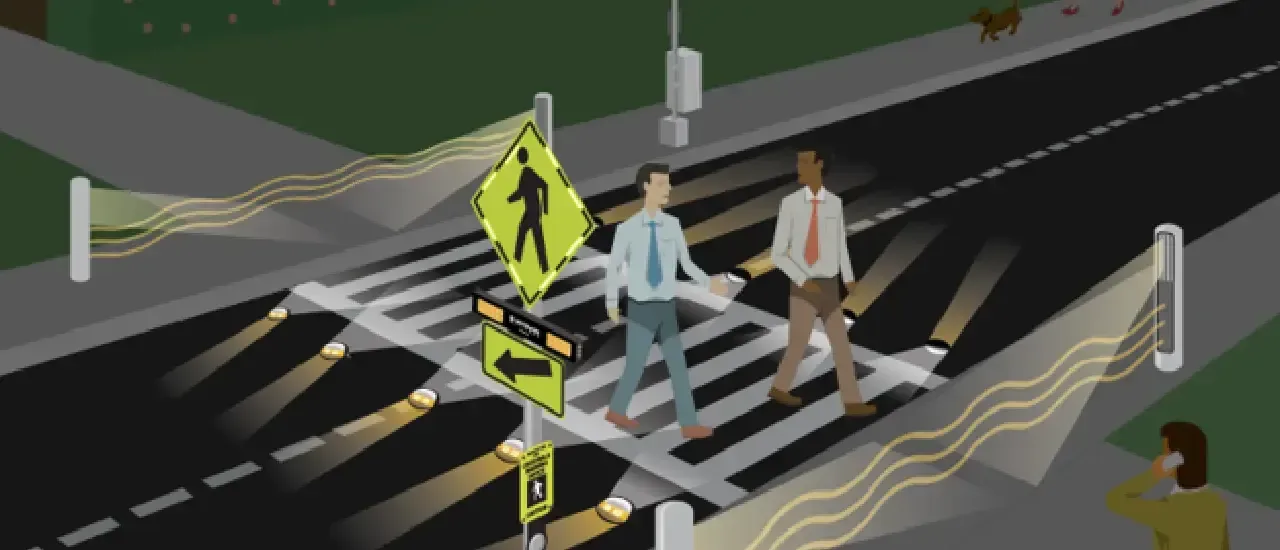
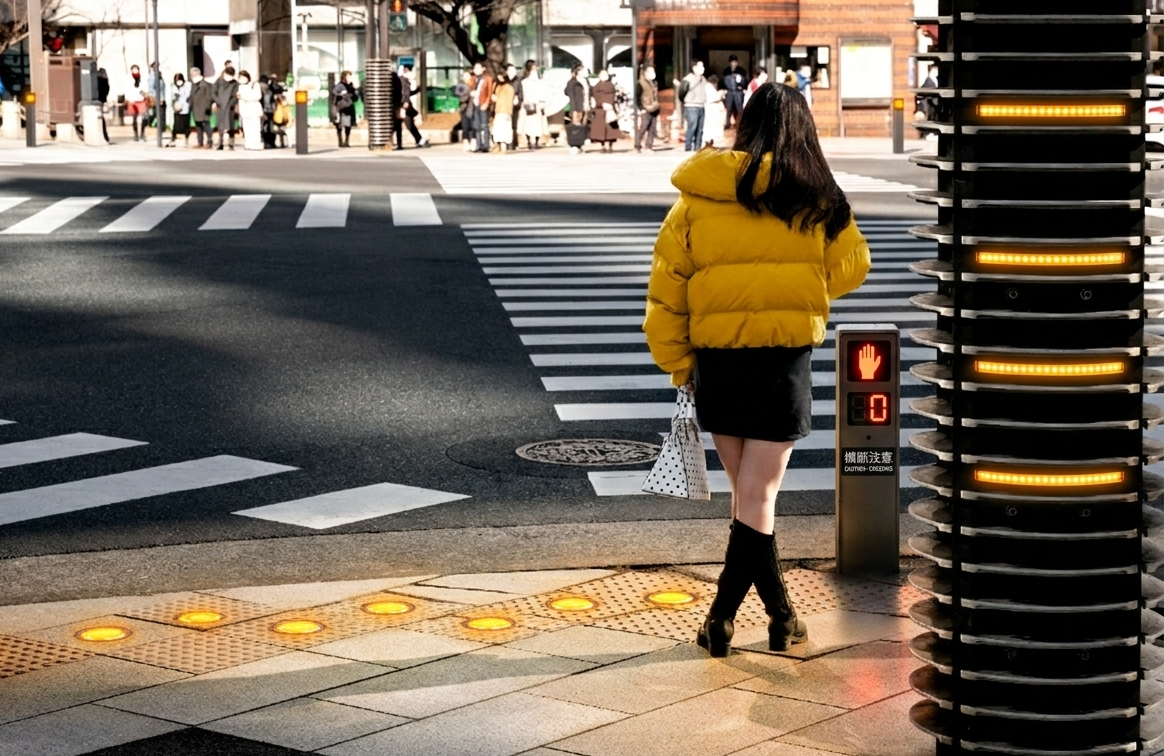
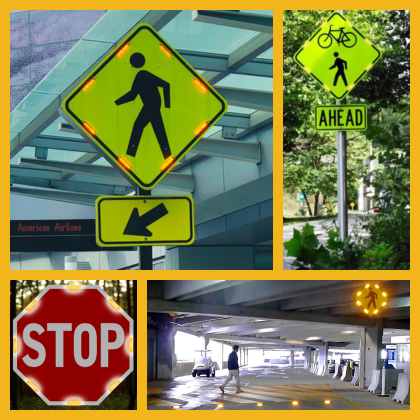
People move faster when they don’t have to guess. Marked walkways, hazards, and equipment paths clarity reduces hesitation and wrong turns. In higher-risk areas, pedestrian-activated flashing warning devices can make a real difference, giving drivers a clear, immediate signal that someone is about to cross.
Good Lighting:
Lighting is often overlooked until it fails. Shadows hide movement. Glare masks depth. Well-lit paths and crossings give both pedestrians and operators a better read of what’s ahead.
Regular Safety Inspections:
Not glamorous work, but necessary. Walk the floor, look at it like someone new would. Hazards stand out more when you’re not used to them.
A workplace that takes pedestrian safety seriously doesn’t rely on a single fix. It layers habits, design, and equipment in a way that reduces guesswork. Employers set the tone through training, enforcement, and investment in safer layouts. Employees carry it forward in how they move, where they walk, and what they choose to ignore or address. In the end, consistent attention to workplace pedestrian safety is what separates reactive environments from truly safe ones.
About LightGuard Systems®:
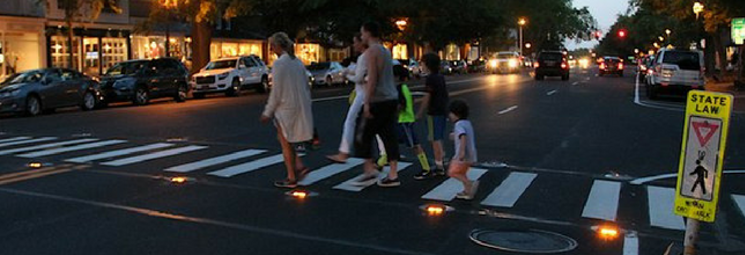
LightGuard Systems® has spent years working in that space between people and moving equipment, the point where most close calls happen. Their lighted crosswalk systems and pedestrian warning technologies are built for environments where visibility isn’t guaranteed, and timing is tight. Flashing warning devices, triggered by pedestrian movement, give forklift operators and drivers a clearer signal that someone is entering their path.
It’s a practical approach. Don’t assume perfect awareness. Build systems that compensate for its absence.
With installations across a range of industrial and commercial settings, LightGuard Systems® continues to focus on one thing: making shared spaces between pedestrians and vehicles a little more predictable, and a lot safer, especially through the use of advanced pedestrian warning lights that reinforce visibility right when it matters most.


LightGuard Systems is a registered trademark™ of LightGuard Systems, Inc. Smart Crosswalk is a trademark™ name of LightGuard Systems, Inc. ©2021 LightGuard Systems, Inc. All rights reserved.
Let Us Help You Design a Safer Crosswalk System in Your Community! Contact LightGuard Systems Now.