What Works to Keep Traffic Safe in Areas with a Lot of Traffic?
Traffic doesn't stop all at once. It doesn't work for short times. A driver doesn't see a pedestrian. A crosswalk is part of the road. A warning sign is seen too late. These small gaps get bigger in busy areas, which is where most accidents start.
Traffic safety solutions that work don't try to control everything. Their main goal is to make the right action clear at the right time. When visibility, timing, and how people act all come together, safety gets better in ways that can be seen and measured right away.
Visibility That Cuts Through the Noise
Drivers in busy areas have to deal with a lot at once. Cars, signals, pedestrians, and unexpected movement all try to get your attention. People often ignore static signs, not because they aren't important, but because they don't stand out.
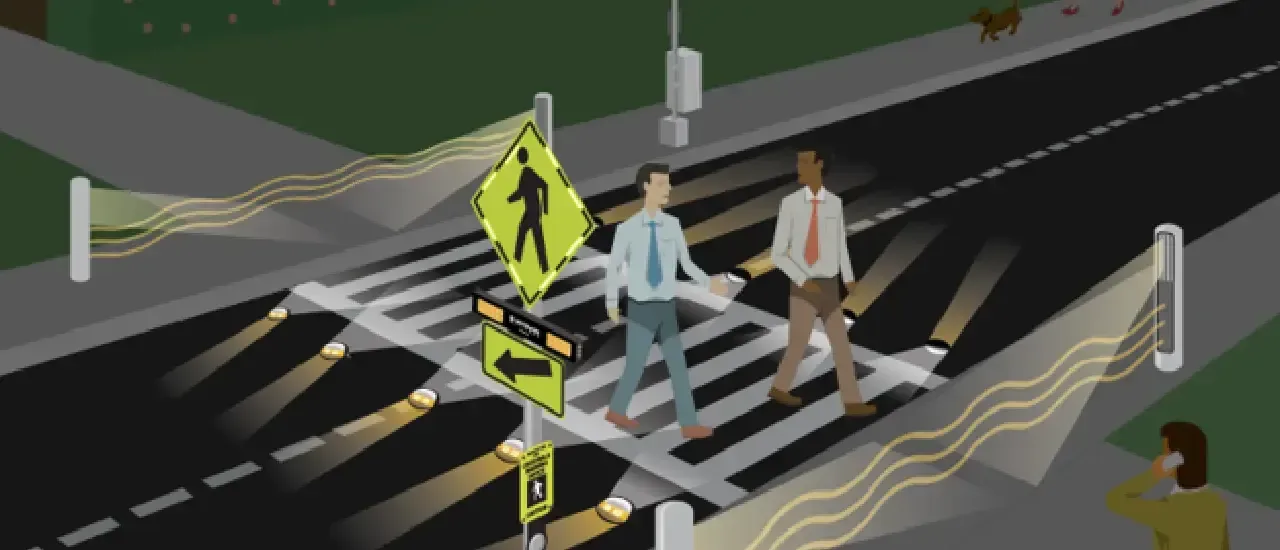
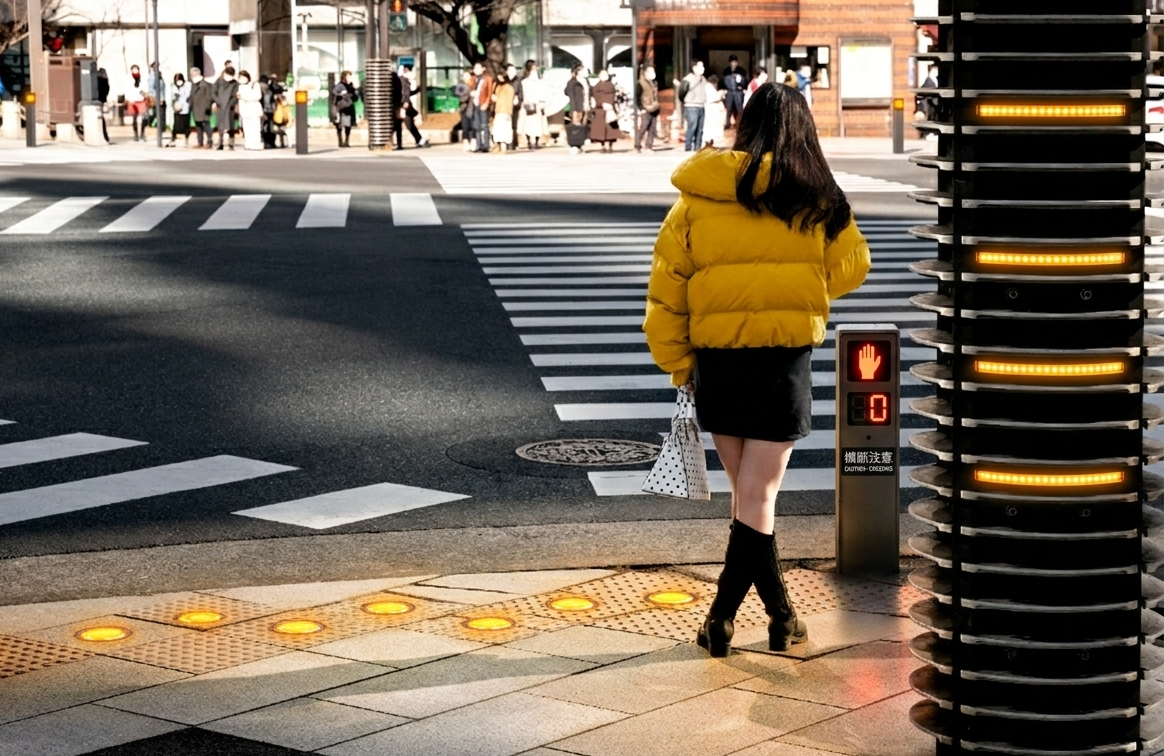
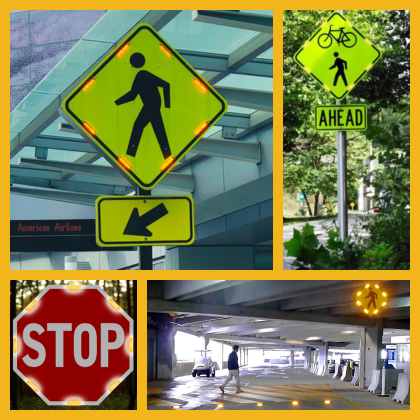
This is where flashing signs for pedestrian crossings come in handy. They add movement and light, which naturally draws the eye. They don't blend in with the surroundings; instead, they break up the driver's pattern just enough to make them respond.
● LED lights that are bright make it easier to see things far away.
● Patterns that flash make things seem urgent without being confusing.
● Putting things close to decision points makes people react faster.
Being present doesn't mean being visible. It's about being seen when it matters.
Timing That Fits Real Movement
A sign that is always on becomes background noise. A system that only works when needed seems useful. The difference between passive safety and active prevention is timing.
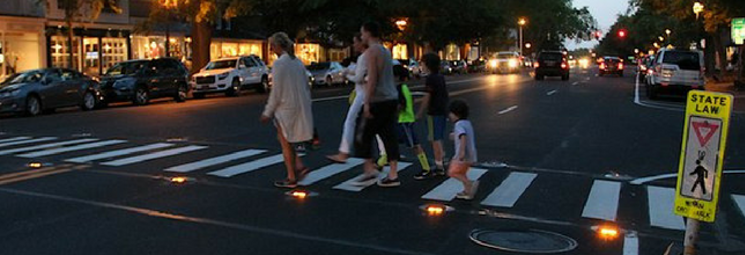
Automatic pedestrian bollards fill this gap by sensing real movement. They don't rely on manual triggers; instead, they respond to the presence of real people. That little change gets rid of delay and guesswork.
● Sensors pick up on people walking toward the crossing.
● Warnings go off right away in systems
● Drivers only get alerts when they need to do something.
Even a one-second delay can change the outcome in areas with a lot of traffic. Responsive timing keeps safety in line with what is real.
Lessening Reliance on Human Judgment
Mistakes happen to people. They forget to push buttons, guess how fast they're going, or think that drivers will stop. Good traffic safety measures make it less important for people to always act perfectly.
Automation is a big part of this. When systems work on their own, they make things go more smoothly.
● No need for pedestrians to set off alerts
● No delay because of doubt or hesitation
● Always performs well, no matter how much traffic there is
This doesn't take the place of human awareness. It helps by filling in the blanks.
Staying the Same in Changing Conditions
Traffic changes throughout the day. What works when there isn't much traffic may not work when there is a lot of traffic. Good systems don't just work well once; they keep working well even when things get tough.
Flashing pedestrian crossing signs are easy to see even when it's dark, rainy, or there are a lot of cars on the road.
● Signals that are easy to see at night and during the day
● Reliable activation, no matter how many cars are on the road
● Less variation in how drivers respond
Trust comes from being consistent. When signals act in a predictable way, drivers start to recognise and respond more quickly.
Designing for Real Life, Not Perfect Situations
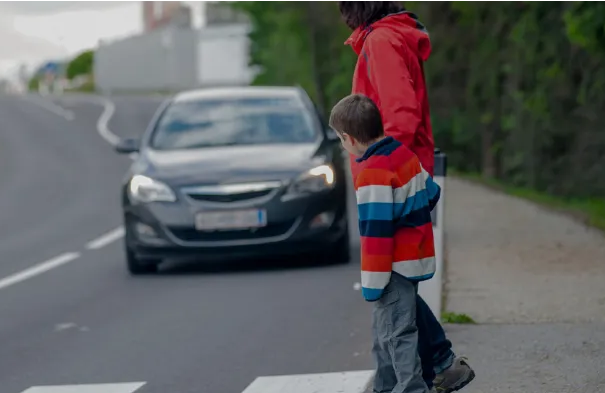
A lot of safety plans assume that people will do the right thing. But in the real world, things are different. Traffic safety solutions that work are based on how people really act, not how they should act.
That means you should expect to be distracted, delayed, or unsure.
● People who drive might not slow down unless someone tells them to.
● People who are walking might not always pay attention to signals.
● In crowded places, traffic flow may be more important than safety.
Systems that accept these facts work better because they plan for mistakes instead of reacting to them.
Final Thoughts
Keeping safe when out in public (such as a mall, stadium, park, or shopping centre) will depend on how visible, punctual, and reliable you are to everyone else around you. In addition, by way of their public reactions to these types of situations, the systems in place, if they can efficiently provide citizens with good directions regarding the events that occurred in the real world, are known to reduce the stress and confusion that others may experience.
At LightGuard Systems, we focus on practical traffic safety solutions that work where it matters most. Our flashing pedestrian crossing signs and automatic pedestrian bollards are designed to increase visibility, improve response time, and support safer decisions in busy environments. If your goal is to make high-traffic areas safer and more predictable, we’re here to help you implement solutions that actually perform.
FAQs
1. What are the most effective traffic safety solutions for busy areas?
The most effective solutions focus on visibility, timing, and automation. Tools like flashing pedestrian crossing signs and automatic pedestrian bollards help drivers notice pedestrians quickly and respond in real time, reducing the risk of accidents.
2. Why are flashing pedestrian crossing signs more effective than static signs?
Flashing signs use movement and bright LED lights to grab attention. Unlike static signs that drivers may ignore, flashing patterns create urgency and make drivers more likely to slow down or stop.
3. How do automatic pedestrian bollards improve safety?
Automatic pedestrian bollards detect pedestrian movement using sensors and activate warnings instantly. This removes the need for manual input and ensures faster, more reliable responses from drivers.
4. Why is timing important in traffic safety systems?
Timing ensures that warnings appear only when needed, making them more effective. Systems that respond in real time prevent delays and reduce the chances of accidents, especially in high-traffic environments.
5. Do these systems work in all weather and lighting conditions?
Yes, modern traffic safety solutions are designed for consistent performance. Bright LEDs and reliable sensors ensure visibility and functionality in daylight, nighttime, rain, and heavy traffic.

LightGuard Systems is a registered trademark™ of LightGuard Systems, Inc. Smart Crosswalk is a trademark™ name of LightGuard Systems, Inc. ©2021 LightGuard Systems, Inc. All rights reserved.
Let Us Help You Design a Safer Crosswalk System in Your Community! Contact LightGuard Systems Now.