Landside Pedestrian Safety for Airports, Hospitals, and Industrial Facilities
MUTCD-Compliant Flashing LED Signs for Risk Reduction
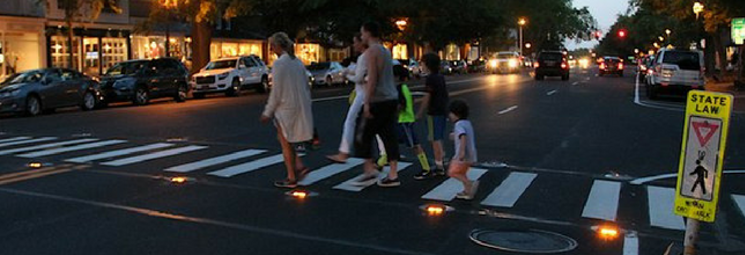
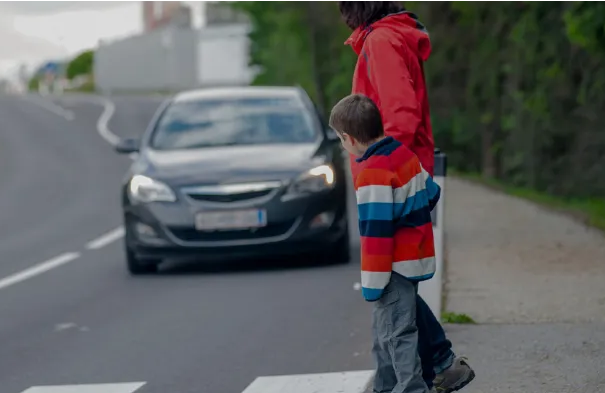
If you spend any time around an airport curb, a hospital entrance, or an industrial yard during shift change, the pattern is obvious. People are moving with purpose, not caution. Drivers are watching traffic gaps, not crosswalks. Sightlines get pinched by parked vehicles, service lanes, or just poor layout decisions made years ago. This is exactly where landside pedestrian safety starts to break down.
These aren’t edge cases. They’re the norm in landside environments and active facilities. And when something goes wrong, the question that follows is predictable: what was in place to warn, guide, and slow people down?
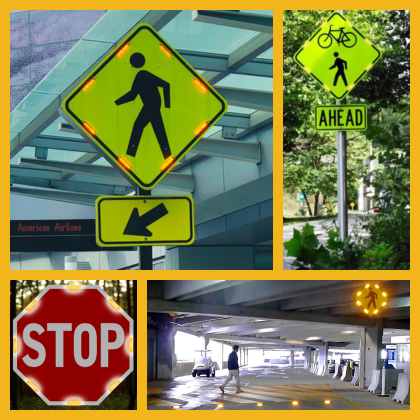
Flashing LED-enhanced signs answer that question in a way static signage often can’t. They don’t replace the rule. They make it harder to miss.
Why MUTCD Still Carries Weight on Private Property?
Private facilities don’t always fall under strict MUTCD enforcement, but that doesn’t mean the standard is optional in practice. Investigators, insurers, and attorneys lean on it heavily when they assess whether a site was reasonably safe.
In other words, if something happens, MUTCD becomes the measuring stick anyway.
Using compliant, LED-enhanced signage does a few important things without much fanfare. It shows alignment with a recognized standard. It creates consistency that drivers already understand. And it signals that the facility didn’t improvise safety controls on the fly.
That matters more than most operators realize, especially in environments where landside pedestrian safety is under constant pressure.
Airports: The Landside Problem
Inside terminals, movement is controlled. Outside, it’s something else entirely.
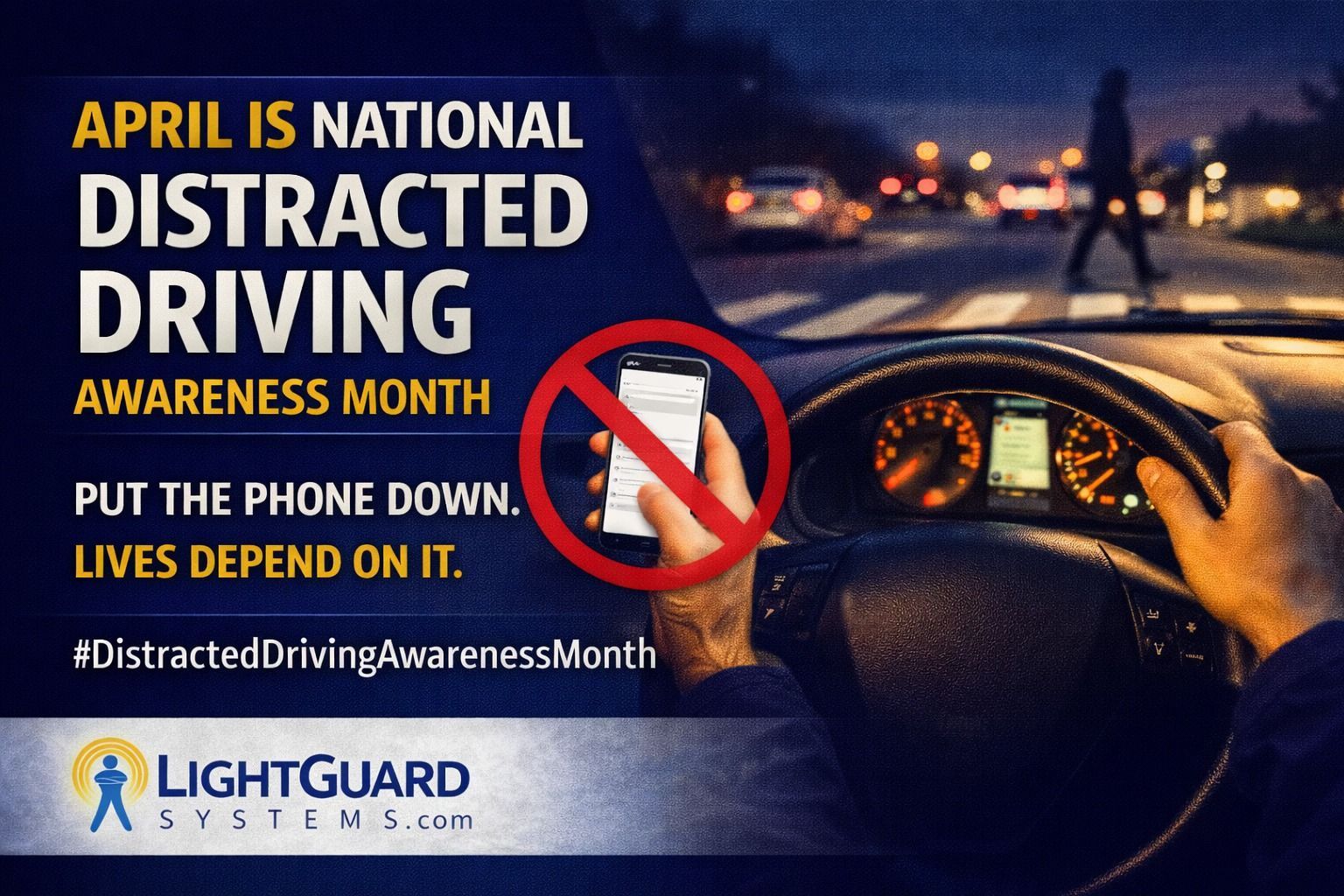
Curbside lanes, parking structures, rental car loops, employee crossings. You get a mix of taxis, private vehicles, shuttles, distracted drivers circling for pickups, and pedestrians juggling luggage while checking their phones. It’s messy.
LED-enhanced pedestrian signs cut through that noise. The message doesn’t change, but the visibility does. Drivers pick it up earlier. Reaction time improves, sometimes just enough to prevent the kind of low-speed incidents that pile up over time.
And those are the ones that quietly drive liability. Strengthening landside pedestrian safety in these zones isn’t optional anymore; it’s expected.
Flashing Stop Signs: Different Job, Same Principle
It’s worth separating pedestrian warning signs from stop signs. They don’t do the same job.
A stop sign isn’t about awareness. It’s about compliance.
Adding LEDs doesn’t change its authority. It just reinforces it, especially in places where drivers tend to roll through out of habit or because they didn’t see it soon enough. Tight corners, obstructed approaches, mixed traffic. You’ve seen the spots.
The important detail is this: the sign still looks and functions exactly as required. Shape, color, placement. No improvisation. That’s what keeps it enforceable and defensible, particularly in areas where landside pedestrian safety overlaps with vehicle control.
Hospitals and Industrial Sites: Familiar Conflicts
Different setting, same friction points.
Hospitals deal with emergency vehicles, patient drop-offs, and foot traffic that doesn’t always move predictably. Industrial facilities add forklifts, delivery trucks, and shift-based surges of pedestrians. In both cases, people and vehicles are sharing space that was never designed to handle that volume cleanly.
LED-enhanced signage works here for a simple reason. It’s consistent. Drivers recognize it immediately. Pedestrians notice it without needing to think about it. That kind of passive clarity goes a long way in busy environments, where landside pedestrian safety principles apply just as much as they do at airports.
What Sets These LED Signs Apart?
Not all LED signage is built the same, and the differences show up quickly in the field.
These units use 24 high-intensity amber LEDs per sign, which is more than what you’ll find in most standard setups. The result isn’t just brightness. Its presence. You notice it even in daylight, and at night it’s hard to ignore.
The flash pattern runs on a higher duty cycle, which keeps the signal active longer within each interval. It sounds like a small detail. It isn’t. That extra visibility window can be the difference between a driver reacting early or braking late.
They’re built for real-world conditions, too. Wireless activation options, solar or A/C power, low-voltage operation that holds steady even when the supply dips. The hardware is sealed, conduit-housed, and mounted to resist tampering. Once installed, they tend to stay out of the maintenance cycle, which operators appreciate more than they admit.
Activation and Flexibility on Site
No two sites behave the same way, so activation needs to be flexible.
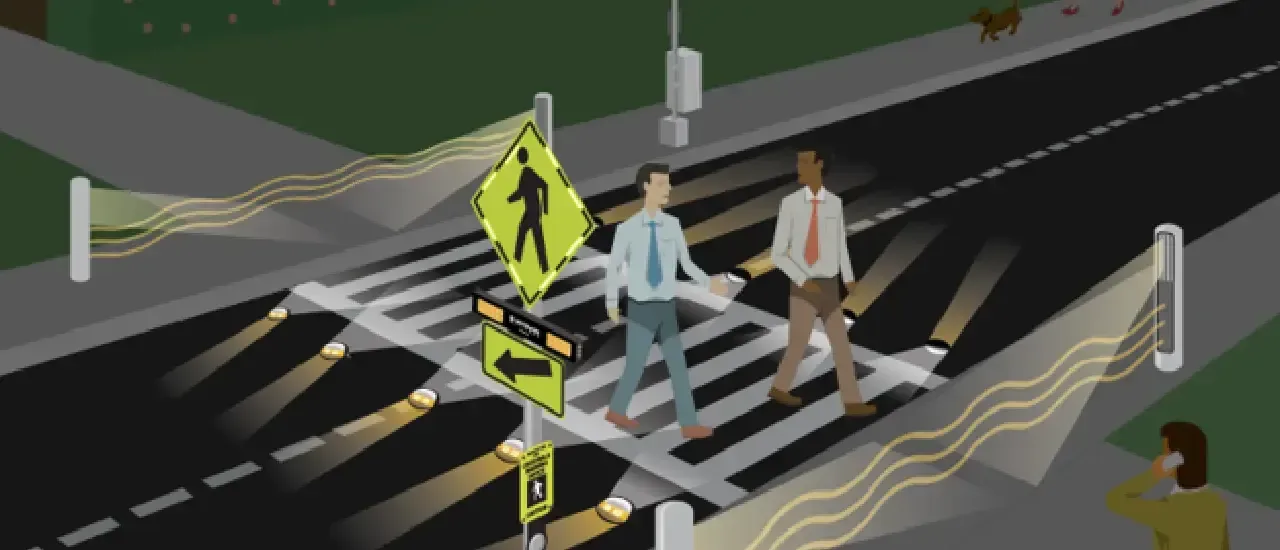
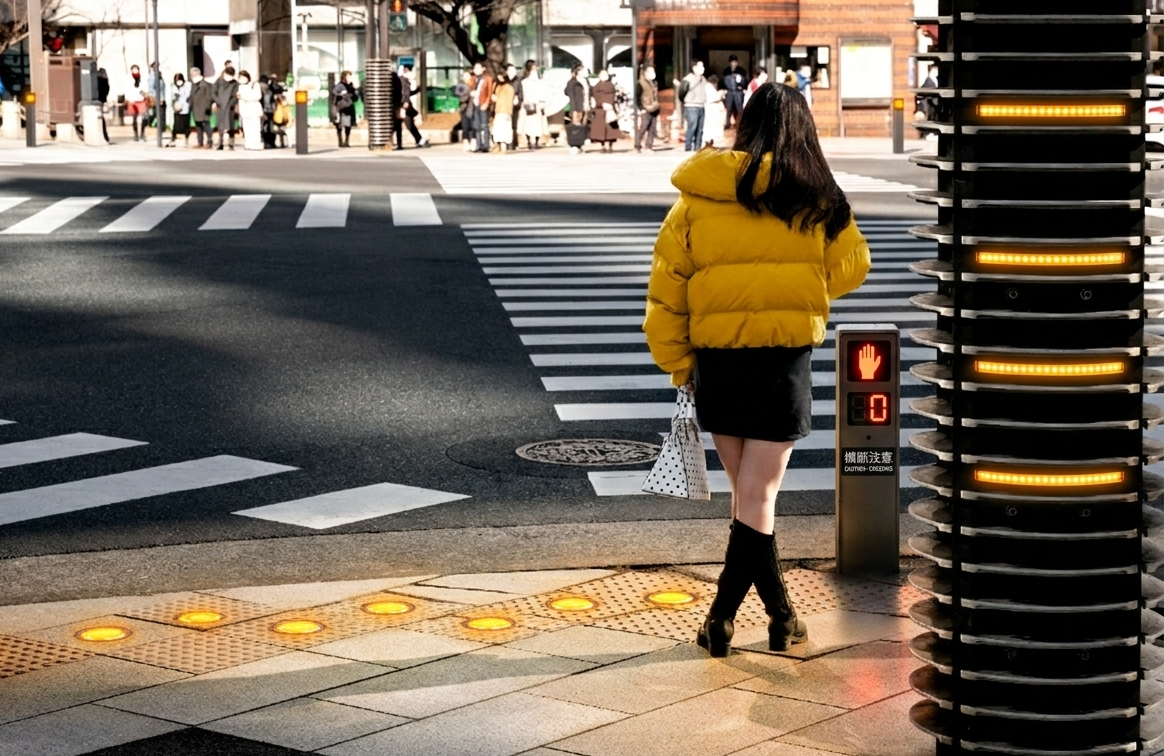
Push buttons remain the standard, especially when paired with audible and tactile feedback for accessibility. But automatic bollard sensors are gaining traction in higher-traffic areas where pedestrians won’t always stop to press anything. Remote activation, whether through a handheld device or an integrated relay, adds another layer for controlled environments.
Standard sign sizes cover most applications, but custom configurations are usually where things land once a site is properly evaluated. There’s always something slightly off about real-world layouts.
A Practical, Defensible Upgrade
This isn’t about overengineering a solution. It’s about making existing controls work better.
LED-enhanced, MUTCD-compliant signs sit in that middle ground. They don’t require major infrastructure changes. They don’t confuse drivers with unfamiliar signals. But they do strengthen visibility in places where it actually matters.
For anyone responsible for safety on a complex site, that balance is hard to ignore. It’s a relatively small upgrade that holds up well under scrutiny, both in the field and after the fact. When paired with well-placed pedestrian warning lights, the overall system becomes far more effective without adding unnecessary complexity.

LightGuard Systems is a registered trademark™ of LightGuard Systems, Inc. Smart Crosswalk is a trademark™ name of LightGuard Systems, Inc. ©2021 LightGuard Systems, Inc. All rights reserved.
Let Us Help You Design a Safer Crosswalk System in Your Community! Contact LightGuard Systems Now.