Why Crosswalk Warning Lights Are Becoming Essential for Modern Traffic Safety?
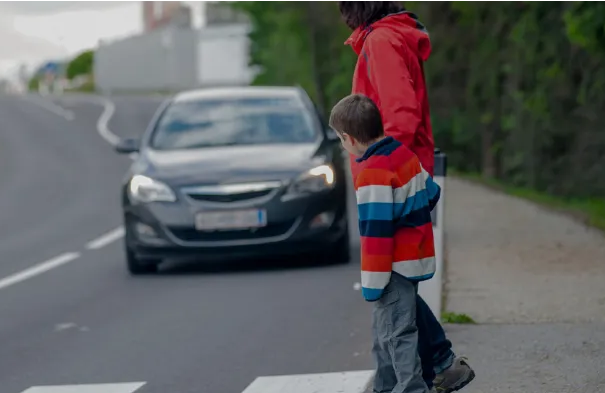
Walk through any growing city, and you’ll notice the tension between vehicles and pedestrians. Streets that once carried light neighborhood traffic now handle steady streams of commuters, delivery vans, buses, and rideshare drivers. Meanwhile, more people are walking to school, work, or transit stops. The traditional painted crosswalk and roadside sign simply don’t command attention the way they once did. Drivers are juggling navigation screens, tight schedules, and crowded lanes. In that environment, crossings need to do more than exist. They need to speak up. That’s exactly why communities are investing in crosswalk warning lights.
The Reality of Today’s Crosswalks
Ask any traffic engineer or city planner and you’ll hear the same concern: visibility. Not whether a crosswalk is marked, but whether drivers actually see it in time.
Many crossings sit on multi-lane roads where traffic moves faster than expected. A driver in the far lane might not notice a pedestrian stepping off the curb until another car slows suddenly. Add dusk lighting, rain, or glare from headlights, and the risk multiplies.
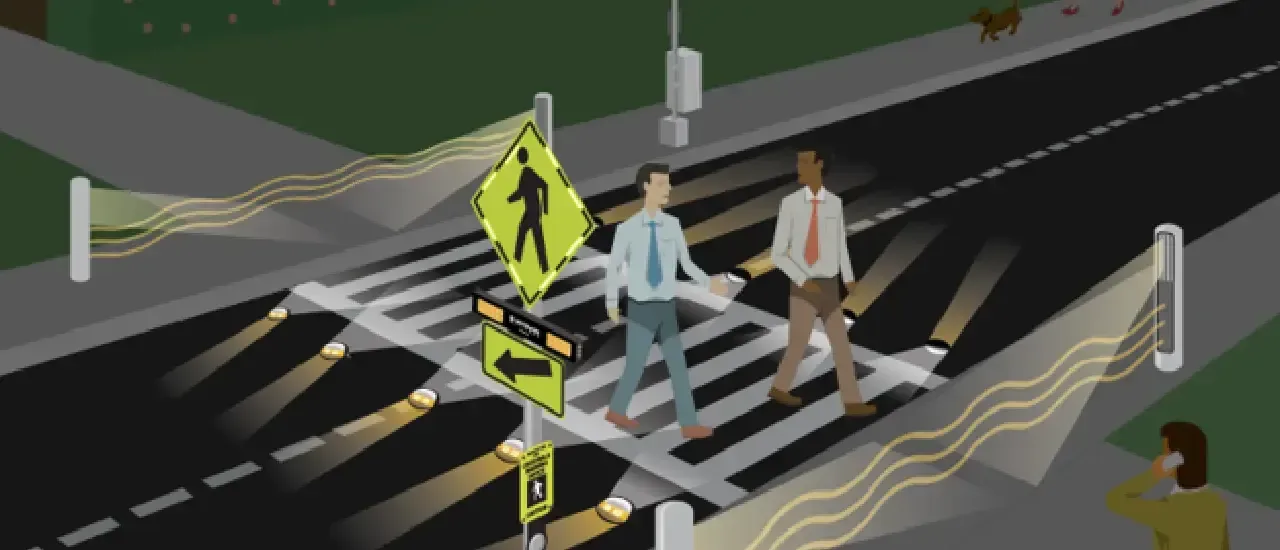
This is where crosswalk warning lights change the equation. Instead of relying on static paint and signage, the crossing becomes active. Lights flash when someone approaches or presses the activation button. Drivers don’t have to search for a pedestrian. The roadway itself signals that someone is crossing.
That difference, simple as it sounds, has a real impact on driver response.
Visibility That Drivers Actually Notice
There’s reason emergency vehicles use flashing lights. Our eyes instinctively respond to movement and brightness. Static signs fade into the background after drivers pass them every day.
Flashing crosswalk warning lights cut through that familiarity. They create a moment of contrast on the road. Drivers notice the change immediately.
In practice, these systems may include:
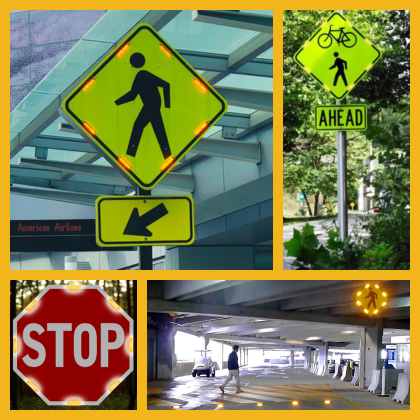
● LED beacons mounted beside the crosswalk
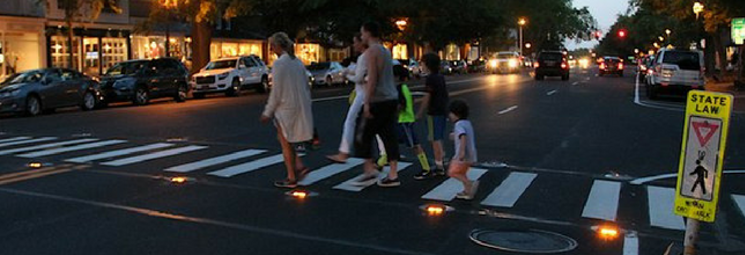
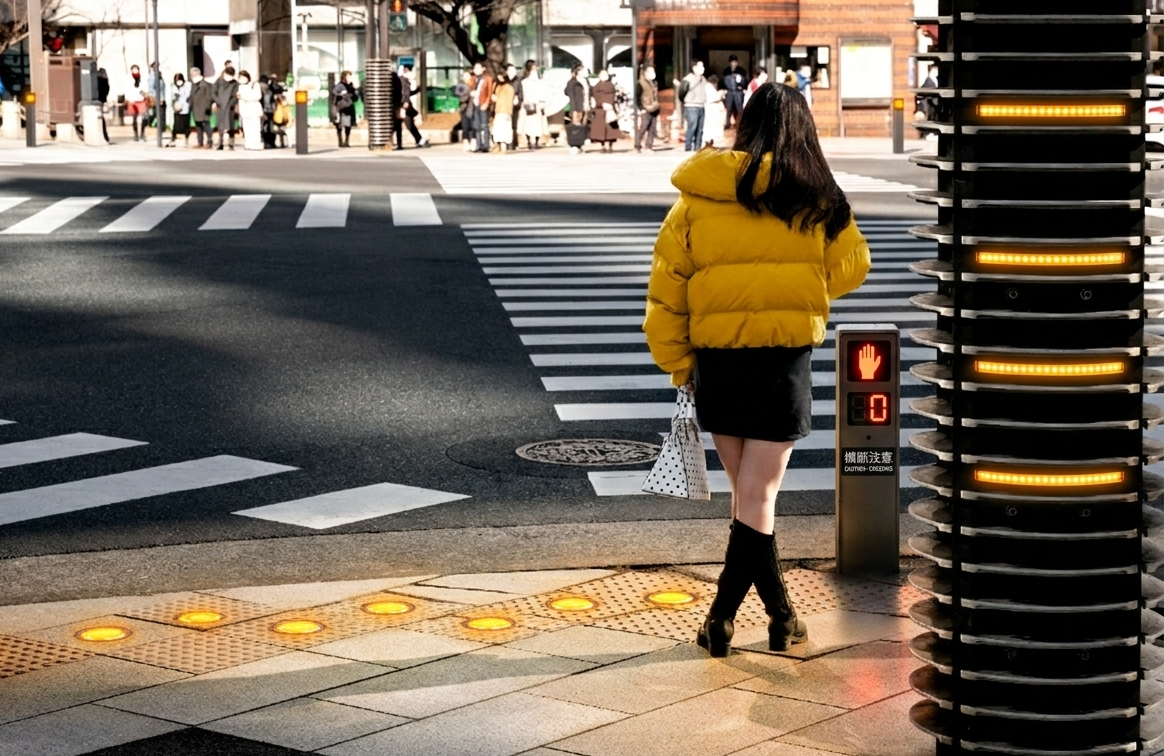
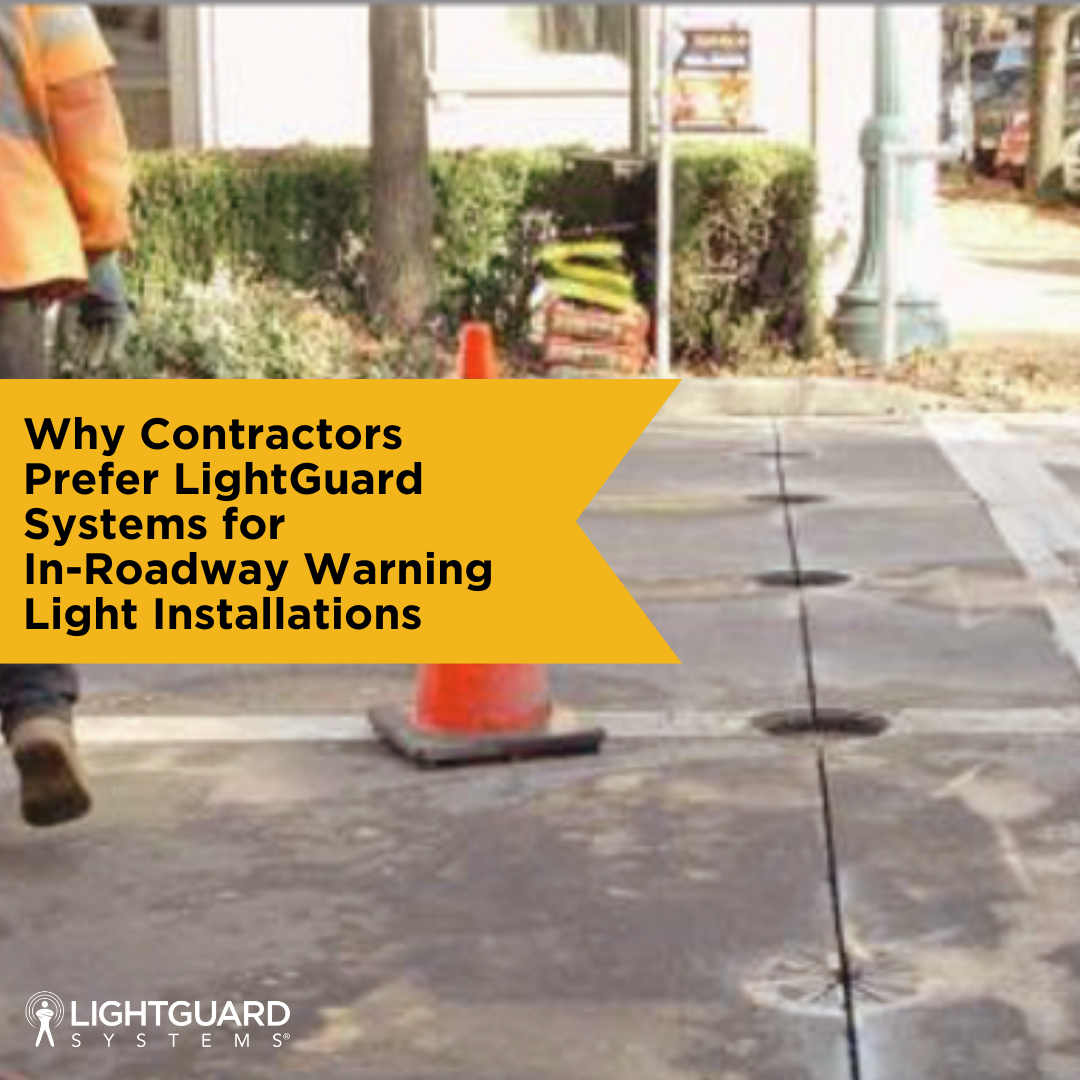
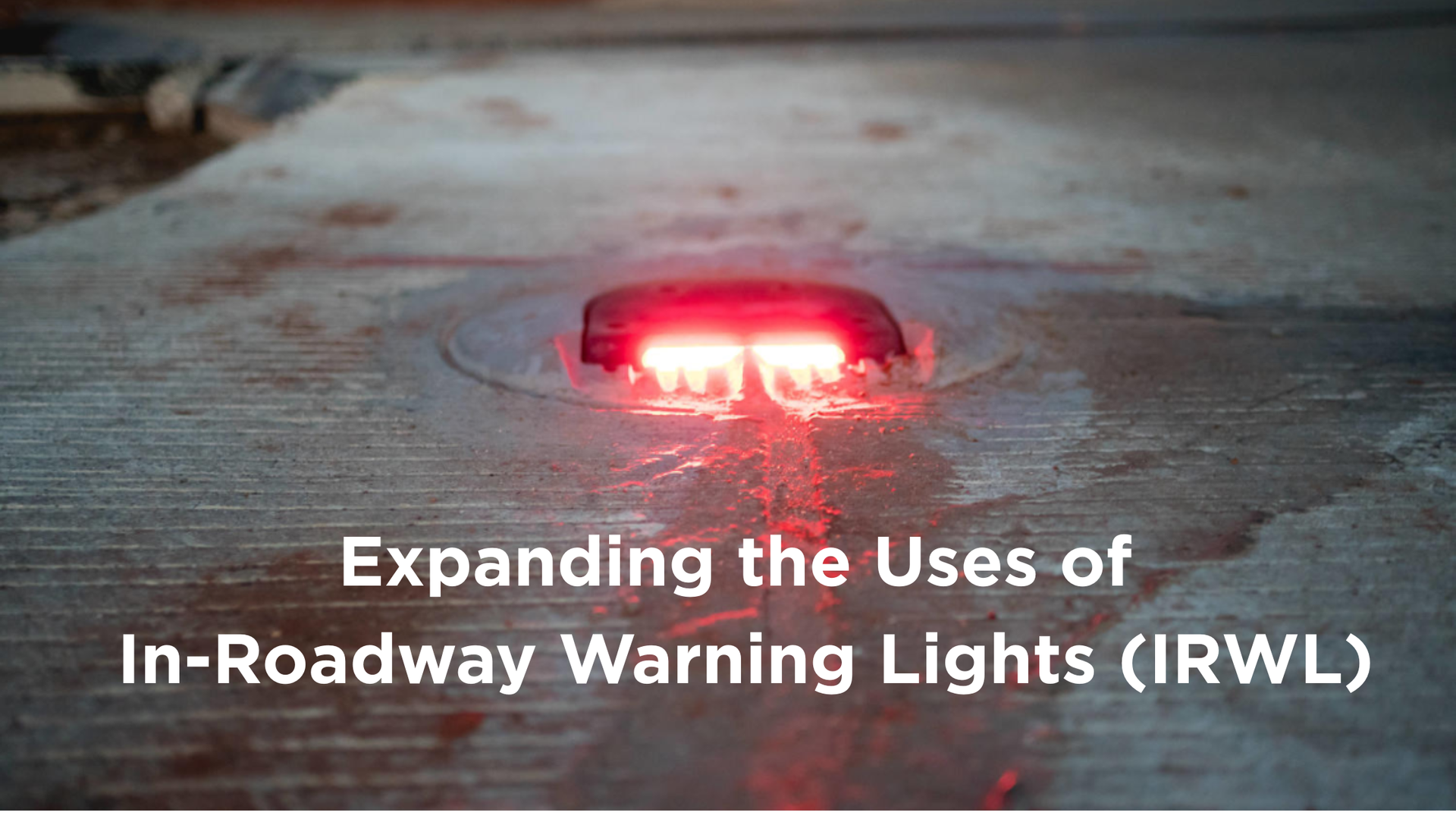
● Flashing signals embedded directly in the pavement
● Dual-sided warning lights facing approaching traffic
The goal is straightforward: give drivers a visual cue they can’t easily ignore. When the lights activate, drivers instinctively ease off the accelerator and scan for pedestrians.
Smart Systems That Work When Needed
Not every crossing needs a traffic signal. In fact, installing full signals at lower-volume crossings can slow traffic unnecessarily and frustrate drivers. That’s where modern pedestrian technology fills the gap.
At LightGuard Systems, we’ve spent years refining safety solutions that activate only when someone is present. A pedestrian taps the push button or approaches a sensor, and the crosswalk warning lights begin flashing. The message to drivers is immediate and clear.
Some systems rely on in-road lighting that pulses toward oncoming vehicles. Others combine overhead beacons with pavement lights to reinforce the warning from multiple angles.
It’s a practical balance. Pedestrians receive protection when they need it, and traffic continues moving normally the rest of the time.
Where These Systems Make the Biggest Difference
Certain locations practically demand additional visibility.
School crossings come to mind first. Anyone who has driven through a busy school zone at dismissal time understands how unpredictable that environment can be. Children step off curbs quickly. Drivers may be unfamiliar with the area. Crosswalk warning lights add a layer of clarity in those moments.
The same applies to:
● University campuses with heavy foot traffic
● Hospital entrances where patients and visitors cross frequently
● Airports and transportation hubs
● Commercial districts with parking on both sides of the street
In each setting, LightGuard Systems works with municipalities, planners, and facility managers to install reliable crosswalk warning lights designed for the specific conditions of the roadway.
Safer Streets Begin with Better Signals
Traffic safety often comes down to small improvements that change driver behavior. Better lighting. Clearer markings. Signals that appear exactly when they’re needed.
Illuminated crossings do something subtle but powerful. They tell drivers, unmistakably, that someone is there.
That moment of recognition is often all it takes.
At Light Guard Systems, we help cities, campuses, and organizations strengthen pedestrian protection with proven visibility technology. If your community is exploring safer crossings, our team can help you evaluate the right placement and design. Reach out to LightGuard Systems to learn how advanced roadway warning lights can support safer infrastructure and reinforce practical pedestrian safety tips through well-designed crosswalk warning lights.
FAQs
1. What are crosswalk warning lights?
Crosswalk warning lights are flashing LED systems installed near or within crosswalks to alert drivers when pedestrians are crossing. They improve visibility and help drivers recognize crossings sooner.
2. How do crosswalk warning lights activate?
Most systems activate when a pedestrian presses a push button or when a sensor detects someone approaching the crosswalk.
3. Where are crosswalk warning lights typically used?
They are often installed in school zones, campuses, hospital entrances, airport facilities, and city streets with frequent pedestrian crossings.
4. Do crosswalk warning lights work at night?
Yes. The LED lights used in modern systems remain highly visible in darkness, rain, and other low-visibility conditions.
5. Why are cities installing more crosswalk warning lights?
Communities are adopting crosswalk warning lights because they improve driver awareness, increase yielding rates, and provide a cost-effective way to strengthen pedestrian safety at uncontrolled crossings.



LightGuard Systems is a registered trademark™ of LightGuard Systems, Inc. Smart Crosswalk is a trademark™ name of LightGuard Systems, Inc. ©2021 LightGuard Systems, Inc. All rights reserved.
Let Us Help You Design a Safer Crosswalk System in Your Community! Contact LightGuard Systems Now.