
Necessity Of Pedestrian Warning Lights And How They Improve Safety

The Growing Risk on Our Roads: Most people assume that if they step into a marked crosswalk, drivers will notice. That assumption feels reasonable. It is also where things start to go wrong.
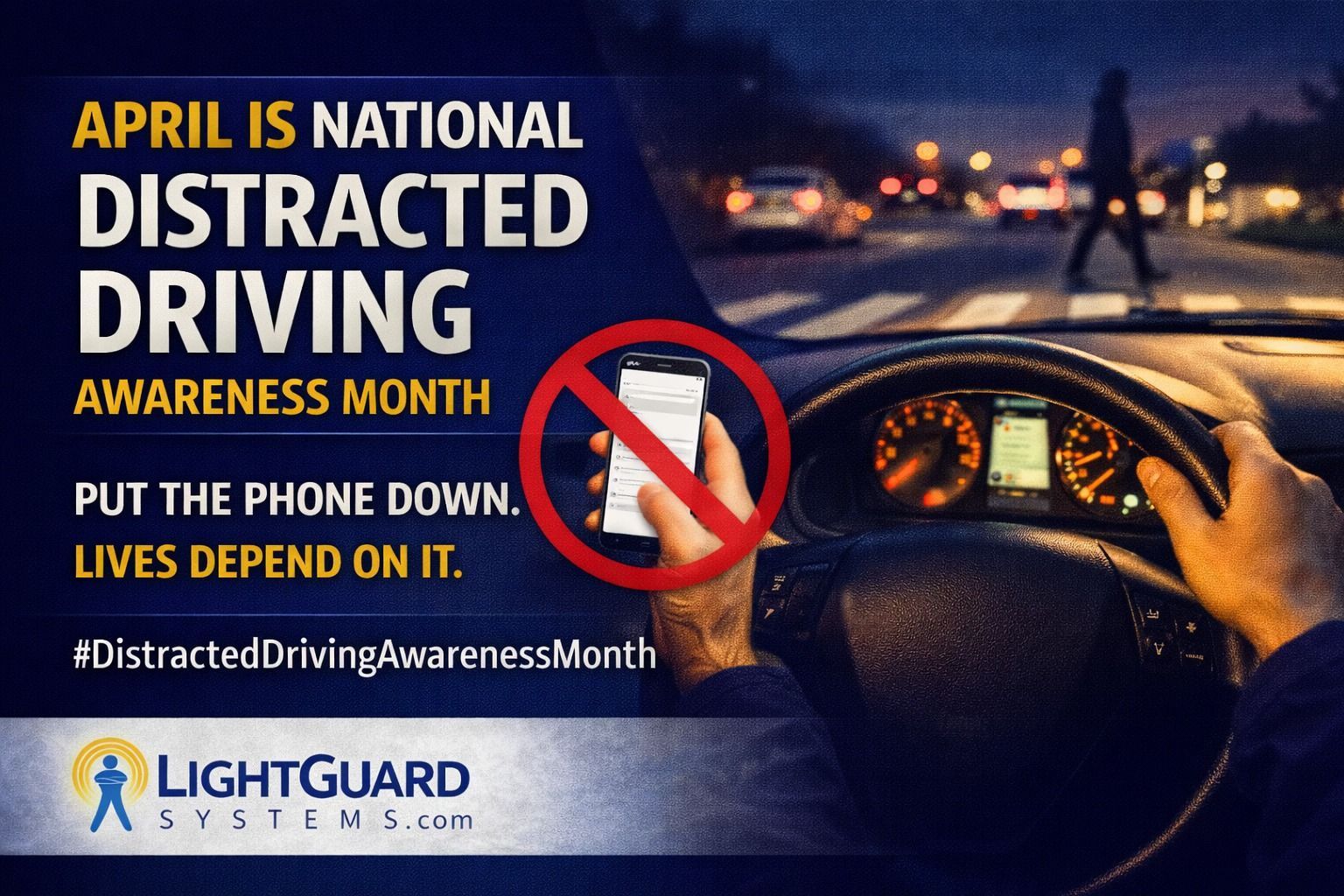
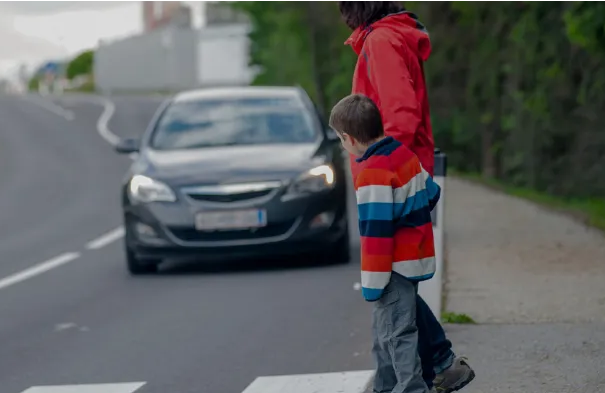
Visibility is inconsistent. Drivers glance at phones. Headlights blur in the rain. Road paint fades. A person crossing at dusk can disappear into the background faster than anyone expects. Even when someone follows basic pedestrian safety tips, there is still a moment of uncertainty. Did the driver see me? Are they slowing down?
Paint and posted signs help, sure. But they depend on attention. And attention, especially behind the wheel, is fragile. That thin space between being seen and not being seen is where many serious crashes happen.
Why Visibility Changes Everything
If the real issue is visibility, then the fix has to be more than advice. It has to be something drivers cannot easily overlook.
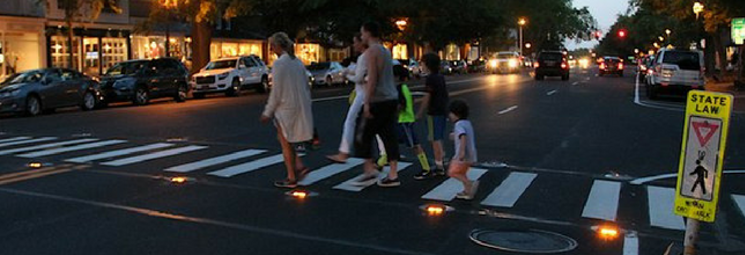
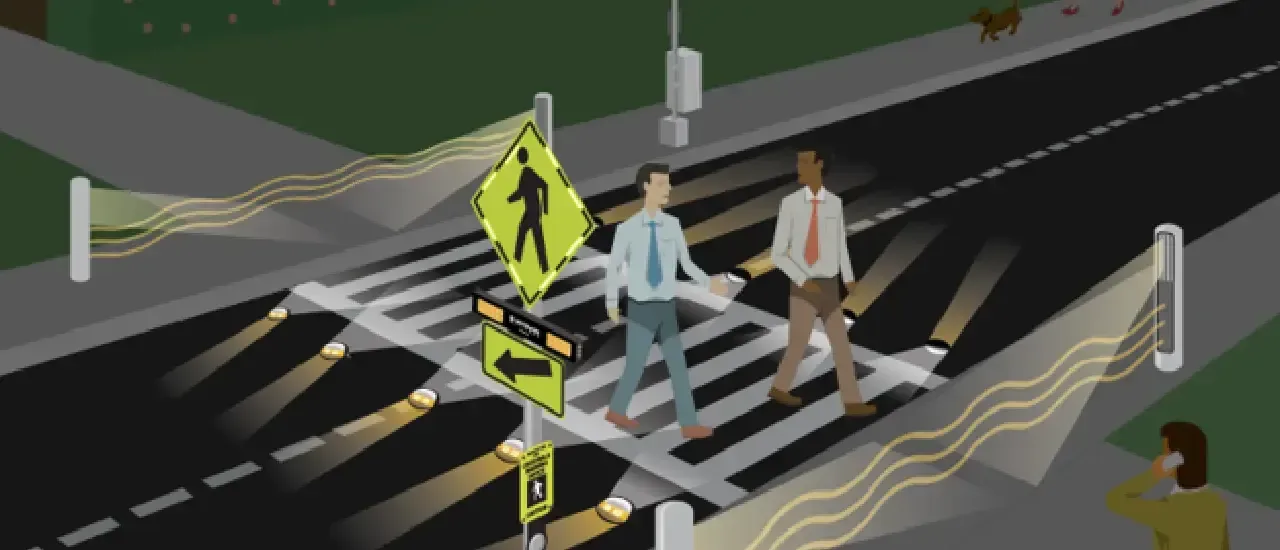
That is where pedestrian warning lights come in. They do not sit quietly on the side of the road hoping for compliance. They flash. They interrupt. They create movement in a driver’s field of vision, which the human brain is wired to notice.
Instead of relying on a driver to interpret static markings, pedestrian warning lights send a direct signal. Someone is here. Slow down. Pay attention. And that small shift, from passive to active warning, changes behavior.
What Actually Improves When Lights Are Installed
The benefits are not abstract. They show up in real-world driving behavior.
First, reaction time improves. A flashing light gives drivers an earlier cue, sometimes just a few extra seconds. That small buffer matters more than most people realize.
Second, yielding becomes more consistent. Drivers are far more likely to stop when a crossing is illuminated compared to when it relies on paint alone. The message is clearer, and clarity reduces hesitation.
Third, nighttime visibility improves dramatically. Darkness flattens depth perception. Rain makes reflections confusing. In those moments, pedestrian warning lights cut through visual noise and define exactly where attention should go.
It is not about adding complexity. It is about making the crossing obvious.
Infrastructure Helps, But Habits Still Matter
No system replaces awareness. Pedestrian safety tips still play an essential role in reducing risk.
Simple actions matter:
● Looking someone in the eye before moving forward
● Not using your phone while crossing
● Taking marked crossings instead of shortcuts
● Wearing clothes that can be seen after dark
These tips for keeping pedestrians safe are useful and often ignored. They reduce unpredictability. They give drivers more time to respond.
But personal caution alone cannot control traffic speed or driver distraction. That is why physical safety measures matter. They reinforce responsible behavior instead of leaving pedestrians to rely only on judgment and hope.
Connecting Road Design With Human Behavior
Most road safety tips for pedestrians focus on staying alert. Look both ways. Avoid distractions. Follow signals. All solid advice.
Still, road safety tips for pedestrians cannot force a distracted driver to notice someone in a dark jacket. They cannot make a speeding vehicle slowdown in advance. Infrastructure fills that gap.
When crossings include pedestrian warning lights, responsibility shifts from being one-sided to shared. Pedestrians act carefully. Drivers receive unmistakable visual cues. The environment itself supports safer decisions.
That combination, behavior plus design, is where meaningful safety improvements happen.
Advanced Controllers Built for Flexibility and Expansion
At the heart of each system are LightGuard Systems controllers designed for ease of setup diagnostics and future adaptability.
Controller features include multiple inputs and outputs supporting various activation devices, an LCD display for intuitive configuration, and system status monitoring support for manual passive and hybrid activation modes, and flexibility to accommodate future expansion or site changes.
For contractors this means faster commissioning smoother inspections and simpler troubleshooting.
Where These Systems Make the Most Sense
Certain areas benefit more than others. Multi-lane roads. School zones. Places with steady foot traffic. Crossings near transit stops. Areas with limited lighting.
In these situations, it doesn't feel right to only rely on general road safety tips for pedestrians or pedestrian safety tips. The stakes are higher. The margin for error is thinner.
Adding visible, active alerts reduces ambiguity. Drivers understand sooner. Pedestrians feel less exposed. The crossing becomes defined rather than implied.
Prevention Is Smarter Than Reaction
Communities often respond after incidents occur. A better approach is to act before patterns turn into statistics.
Installing pedestrian warning lights is not just about compliance. It signals intent. It tells drivers that this crossing deserves attention. It tells pedestrians that their presence is anticipated, not secondary.
Education shapes habits. Engineering shapes outcomes. When both align, risk drops in a way that feels steady rather than temporary.
Conclusion
Warning lights for pedestrians help fill a gap in today's world of roadways; People need to be able to see and understand their own safety immediately. If we combine warning lights with conscious walking behavior and consistent pedestrian safety tips, we can create an environment where all crossings are more predictable and safe places.
At LightGuard Systems, we believe safety should be visible, immediate, and dependable. Our pedestrian warning lights are built to increase driver awareness while supporting proven pedestrian safety tips and road safety tips for pedestrians. We focus on practical design, long-term reliability, and real-world performance. When communities choose our systems, we are not just installing lights. We are strengthening crossings, reinforcing safer behavior, and helping prevent avoidable harm before it happens.
FAQs
1. What are pedestrian warning lights?
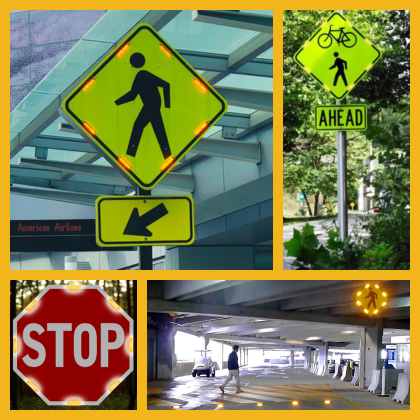
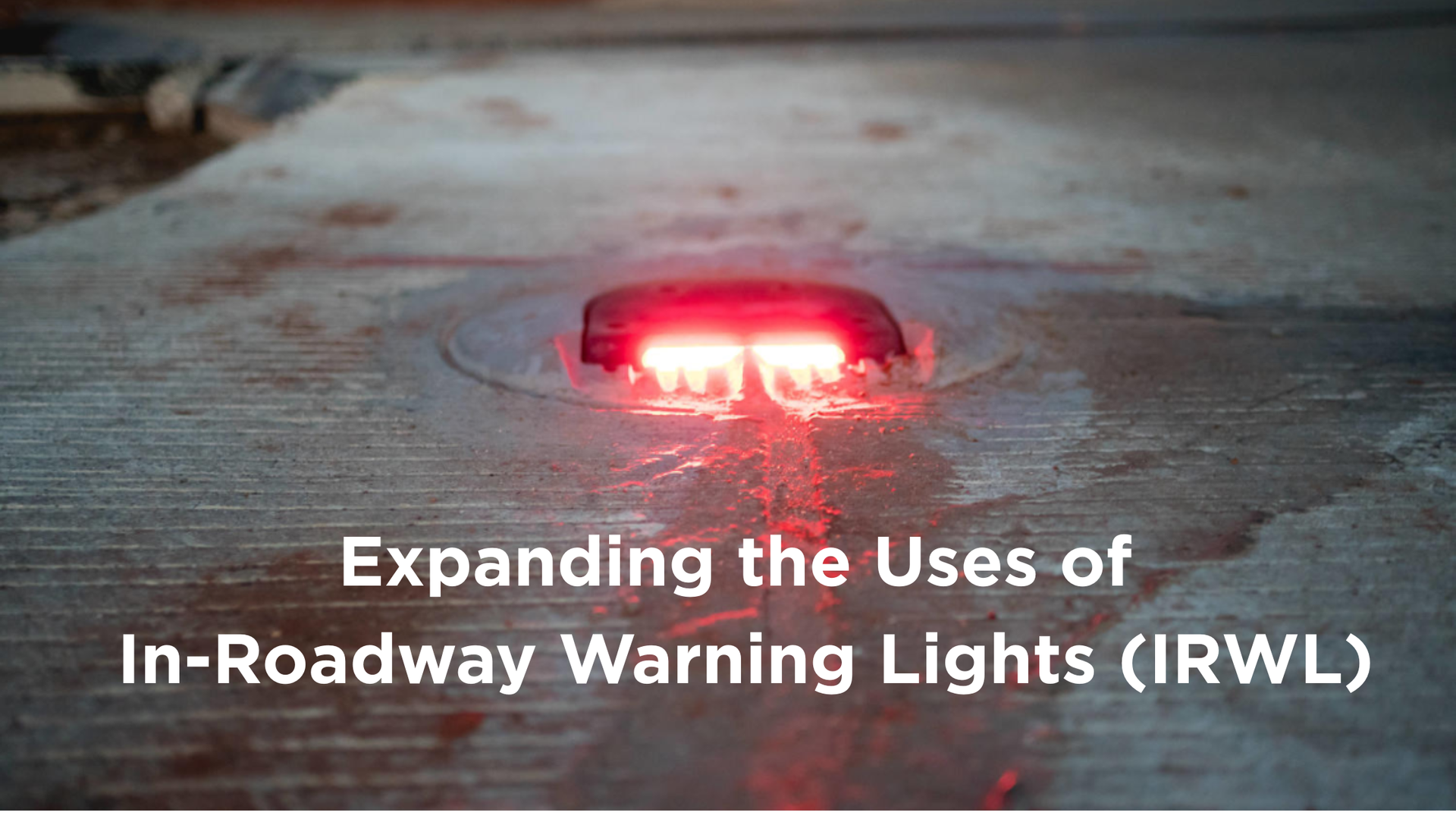
Pedestrian warning lights are active flashing signals, such as in-roadway warning lights, flashing warning signs, and Rectangular Rapid Flashing Beacons (RRFBs), placed at crossings to alert drivers that a person is about to cross or is already on the road.
2. Why are pedestrian warning lights necessary?
They improve visibility and give drivers an immediate cue to slow down, reducing the risk of accidents at busy or poorly lit crossings.
3. Do pedestrian warning lights really improve safety?
Yes. They increase driver reaction time, encourage consistent yielding, and make pedestrians more visible, especially at night or in bad weather.
4. Are pedestrian warning lights enough on their own?
No. They work best when combined with good pedestrian safety tips like staying alert, using marked crossings, and avoiding distractions.
5. Where should pedestrian warning lights be installed?
They are most effective in school zones, multi-lane roads, transit stops, and areas with heavy foot traffic or limited lighting.
6. How do they support road safety tips for pedestrians?
They reinforce alert behavior by giving clear visual signals, making it easier for pedestrians to cross safely while drivers respond sooner.
7. Do these lights help during low visibility conditions?
Yes. Pedestrian warning lights cut through darkness, rain, and glare, making crossings easier for drivers to identify.
8. Can warning lights change driver behavior?
Over time, yes. Repeated exposure to active signals encourages drivers to slow down and stay attentive near crossings.



LightGuard Systems is a registered trademark™ of LightGuard Systems, Inc. Smart Crosswalk is a trademark™ name of LightGuard Systems, Inc. ©2021 LightGuard Systems, Inc. All rights reserved.
Let Us Help You Design a Safer Crosswalk System in Your Community! Contact LightGuard Systems Now.