April Is National Distracted Driving Awareness Month: Why Focus Matters More Than Ever
April Is National Distracted Driving Awareness Month: Why Focus Matters More Than Ever
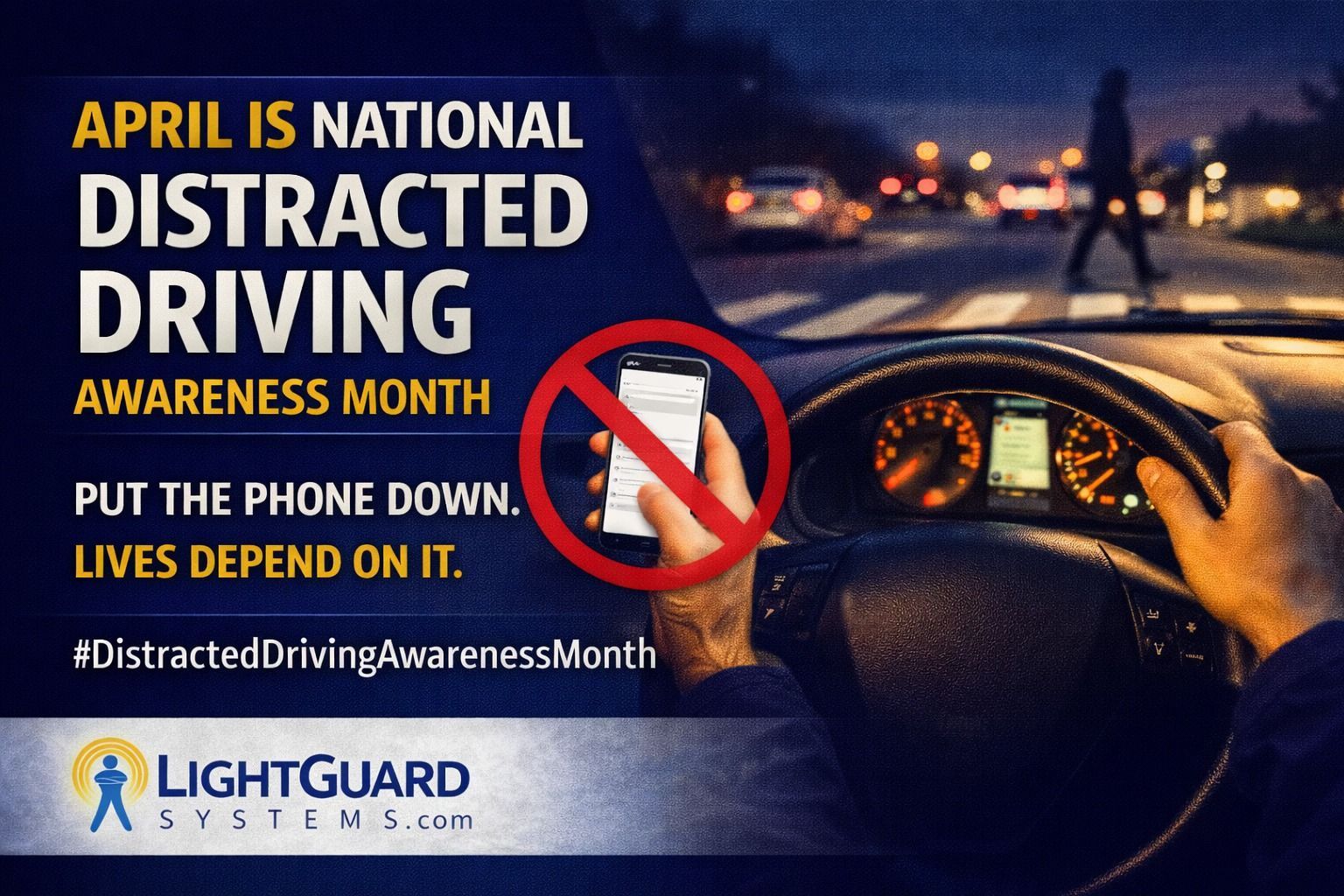
Every April, transportation agencies, safety organizations, and law enforcement across the country recognize National Distracted Driving Awareness Month. The goal is simple but urgent: reduce preventable crashes caused by drivers who take their attention away from the road.
According to national safety data, an average of nine people are killed every day in the United States in crashes involving distracted driving.
While texting and phone use receive the most attention, distractions can take many forms—and even a few seconds of inattention can have serious consequences.
What Is Distracted Driving?
Distracted driving occurs whenever a driver’s attention is diverted from the primary task of operating a vehicle safely. Safety experts generally group distractions into three categories.
Visual Distractions
Visual distractions occur when drivers take their eyes off the road.
Examples include:
- Reading or sending a text message
- Looking at navigation systems
- Searching for items inside the vehicle
- Even glancing away for a few seconds can mean traveling the length of a football field without seeing the roadway ahead.
Manual Distractions
Manual distractions happen when drivers remove their hands from the steering wheel.
Common examples include:
- Eating or drinking
- Adjusting vehicle controls
- Using a mobile phone
- Reaching for items inside the car
- When drivers lose physical control of the vehicle, their ability to react quickly to changing traffic conditions is significantly reduced.
Cognitive Distractions
Cognitive distractions occur when a driver’s mind is not fully focused on driving.
These may include:
- Talking with passengers
- Thinking about work or personal issues
- Becoming absorbed in navigation instructions
- Engaging in emotionally stressful conversations
Even when a driver appears to be looking at the road, their ability to process hazards may be compromised.
Enforcement Campaigns Encourage Drivers to Stay Focused
To combat distracted driving, law enforcement agencies nationwide participate in high-visibility enforcement campaigns such as “U Drive. U Text. U Pay.”
These campaigns remind drivers that texting while driving is not only dangerous—it is illegal in many states and can lead to significant fines and penalties.
The National Highway Traffic Safety Administration (NHTSA) and the National Safety Council also provide education campaigns and resources to help communities encourage safer driving habits.
Why Distracted Driving Is a Pedestrian Safety Issue
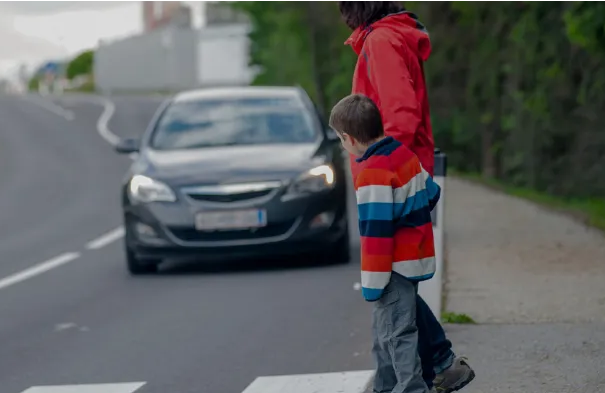
Distracted driving doesn’t just affect other vehicles—it also puts pedestrians at risk.
Pedestrians are especially vulnerable in locations where driver attention is critical, such as:
- Crosswalks
- School zones
- Midblock crossings
- Low-light conditions
When drivers fail to notice pedestrians because they are distracted, the consequences can be severe.
Technology Can Help Improve Safety
While driver behavior plays a major role in roadway safety, technology can also help reduce risk.
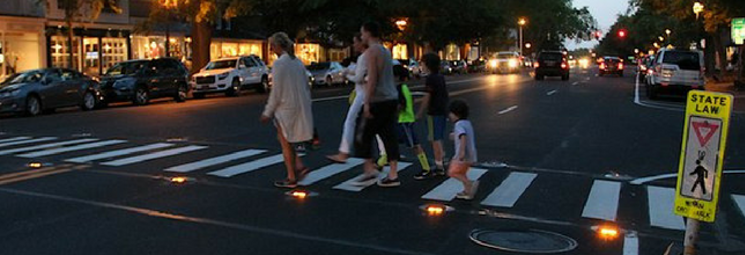
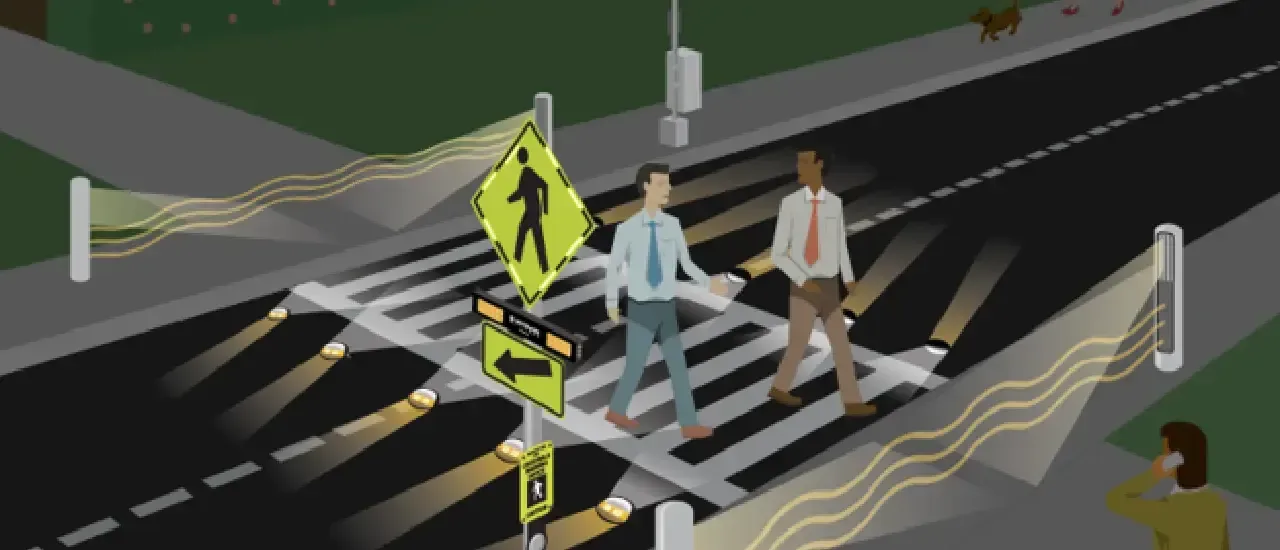
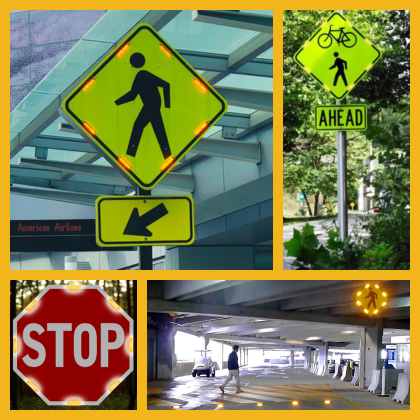
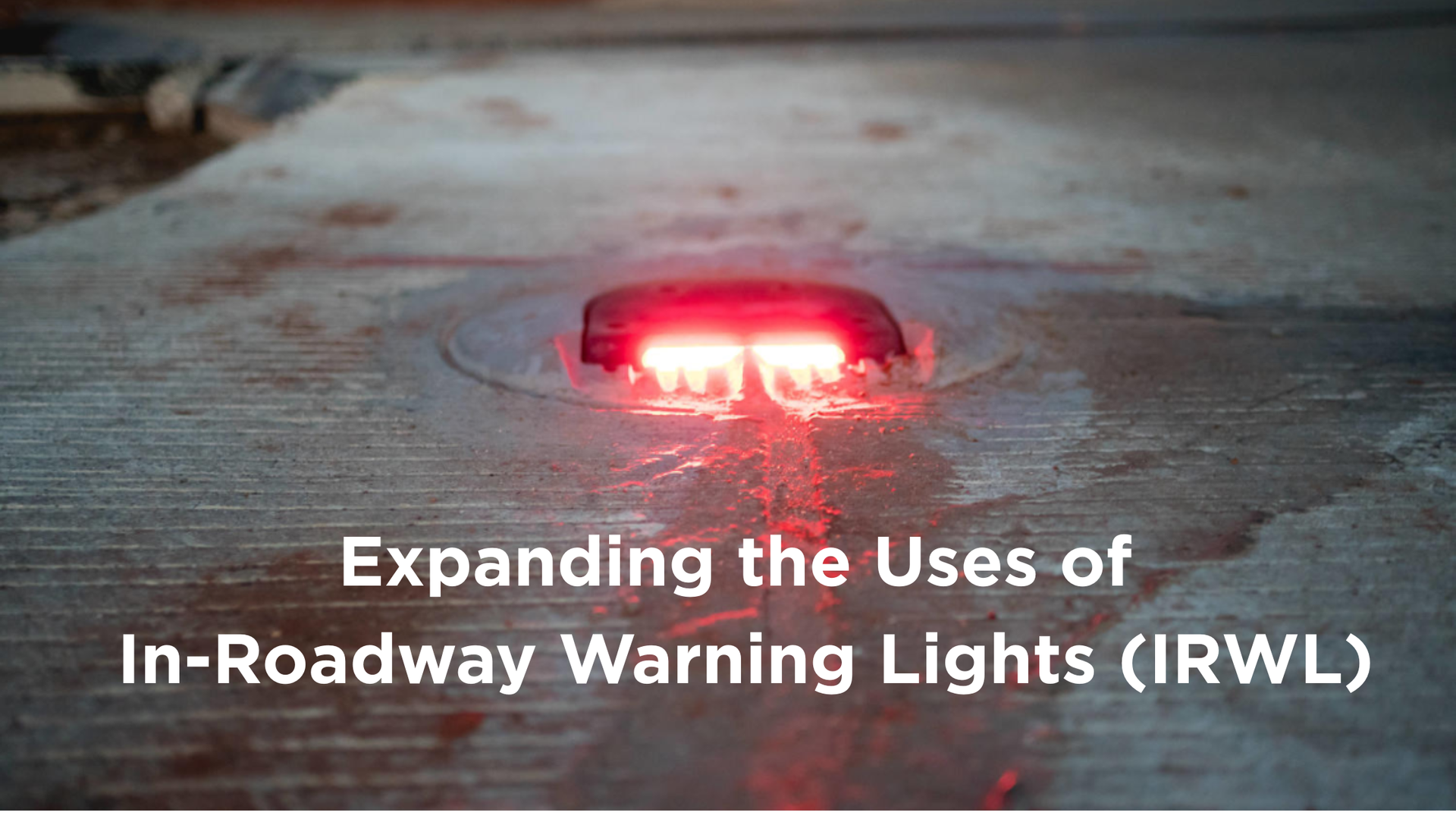
Active warning systems designed for pedestrian crossings help alert drivers to the presence of pedestrians and reinforce driver awareness in areas where distractions can be dangerous.
Examples include:
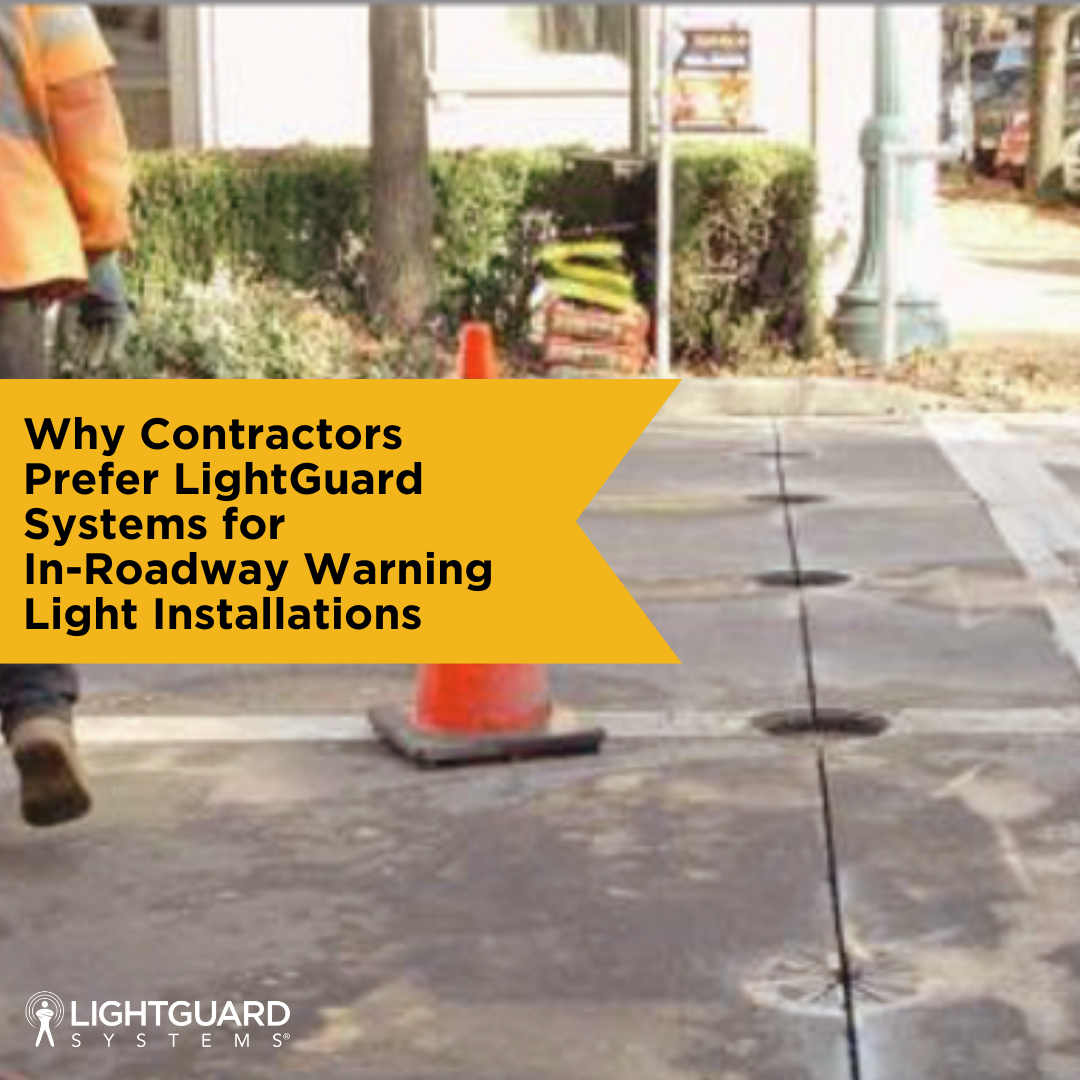
- In-roadway warning lights embedded in pavement
- LED-enhanced pedestrian warning signs
- Rectangular rapid flashing beacons (RRFBs)
- These technologies improve visibility and provide additional cues to drivers—helping reduce the likelihood that a distracted driver misses a crossing.
Simple Steps Drivers Can Take
Reducing distracted driving starts with simple habits:
✔ Put your phone away before driving
✔ Set navigation and music before starting your trip
✔ Avoid eating or multitasking while driving
✔ Stay focused on the road and surrounding traffic
Even small distractions can have serious consequences.
Building Safer Communities
National Distracted Driving Awareness Month is a reminder that roadway safety is a shared responsibility.
Drivers, pedestrians, communities, and transportation agencies all play a role in creating safer roads.
By staying focused behind the wheel—and supporting technologies that improve visibility and awareness—we can help reduce preventable crashes and protect everyone who uses our roads.



LightGuard Systems is a registered trademark™ of LightGuard Systems, Inc. Smart Crosswalk is a trademark™ name of LightGuard Systems, Inc. ©2021 LightGuard Systems, Inc. All rights reserved.
Let Us Help You Design a Safer Crosswalk System in Your Community! Contact LightGuard Systems Now.