What Makes Modern Pedestrian Crosswalk Systems More Effective at Night on Today’s Roads
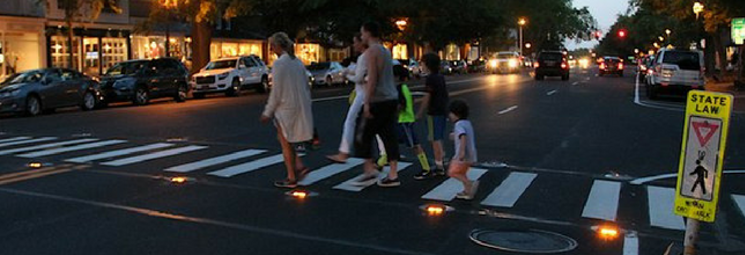
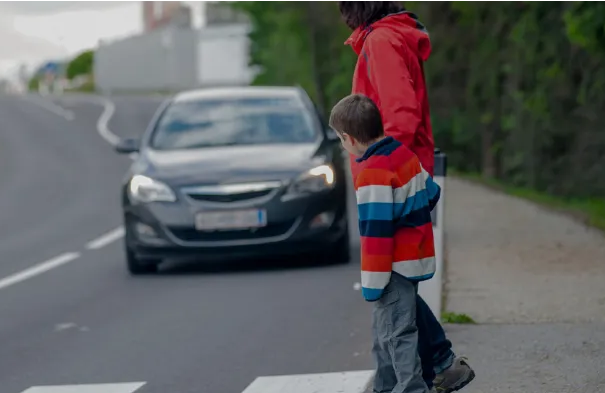
Roads behave differently at night. Speeds feel faster, depth perception drops, and even experienced drivers miss things they would normally catch during daylight. A painted crosswalk that looks perfectly visible at noon can disappear into glare, rain reflection, or uneven street lighting after dark. That gap between visibility and reaction time is where most pedestrian crossing problems begin.
Modern pedestrian crosswalk systems are built to close that gap. Not with oversized signage or excessive flashing, but through targeted visibility that forces recognition at the right moment. The best systems do not overwhelm drivers. They interrupt attention just enough to make someone slow down and actually process what is ahead.
At LightGuard Systems, we focus on roadway visibility systems designed to make crossings more noticeable in conditions where traditional markings simply stop doing enough. That difference becomes especially obvious at night.
Why Traditional Crosswalks Lose Effectiveness After Dark
A painted crosswalk has one major limitation: it depends entirely on a driver already paying attention.
That works reasonably well in slower downtown traffic during daylight hours. It works far less effectively on wider roads, poorly lit corridors, parking lot exits, or school approaches after sunset. Headlight glare alone can flatten roadway contrast to the point where pedestrians blend into the environment until the last second. Add rain or reflective pavement, and visibility gets worse fast.
This is why cities and property managers increasingly rely on active pedestrian crosswalk systems instead of static infrastructure alone. The goal is not decoration. It is recognition. Drivers need something that cuts through visual noise immediately.
That is exactly where modern crosswalk warning lights outperform conventional signage.
Crosswalk Warning Lights Change Driver Behavior Faster
There is a practical reason flashing systems work better than stationary signs: movement attracts attention faster than reflective surfaces.
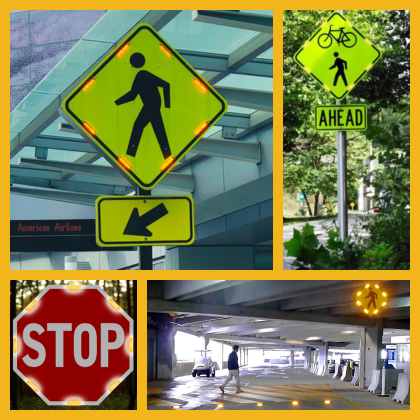
A driver scanning traffic at night processes active light differently than a painted stripe on asphalt. Well-positioned crosswalk warning lights create a visual interruption that tells motorists something requires immediate awareness. The response is almost instinctive. Drivers ease off the accelerator before they fully process why.
The better systems avoid excessive brightness or chaotic flashing patterns. Poorly designed warning systems can actually create confusion, especially in high-traffic areas. What matters is clarity. A clean, unmistakable alert works better than visual overload every time.
LightGuard Systems integrates visibility-focused technology intended to improve recognition distance and driver response time without turning a roadway into a distraction field. That balance matters more than people realize.
Why Roadway Warning Lights Work So Well at Night
Some of the most effective nighttime crossing systems place visibility directly where drivers are already looking: the roadway itself.
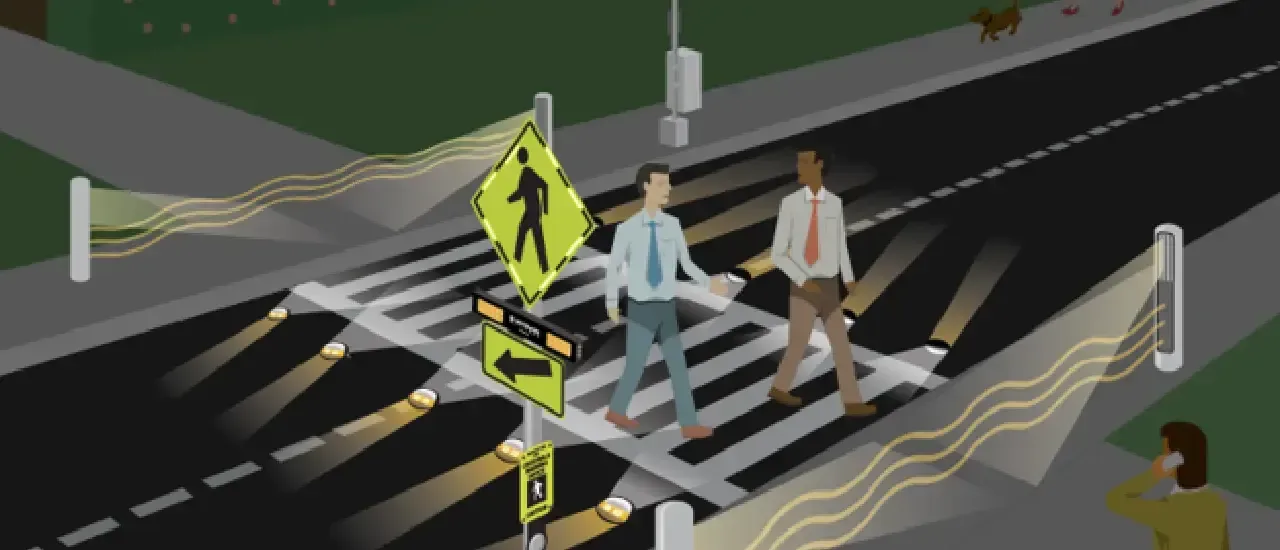
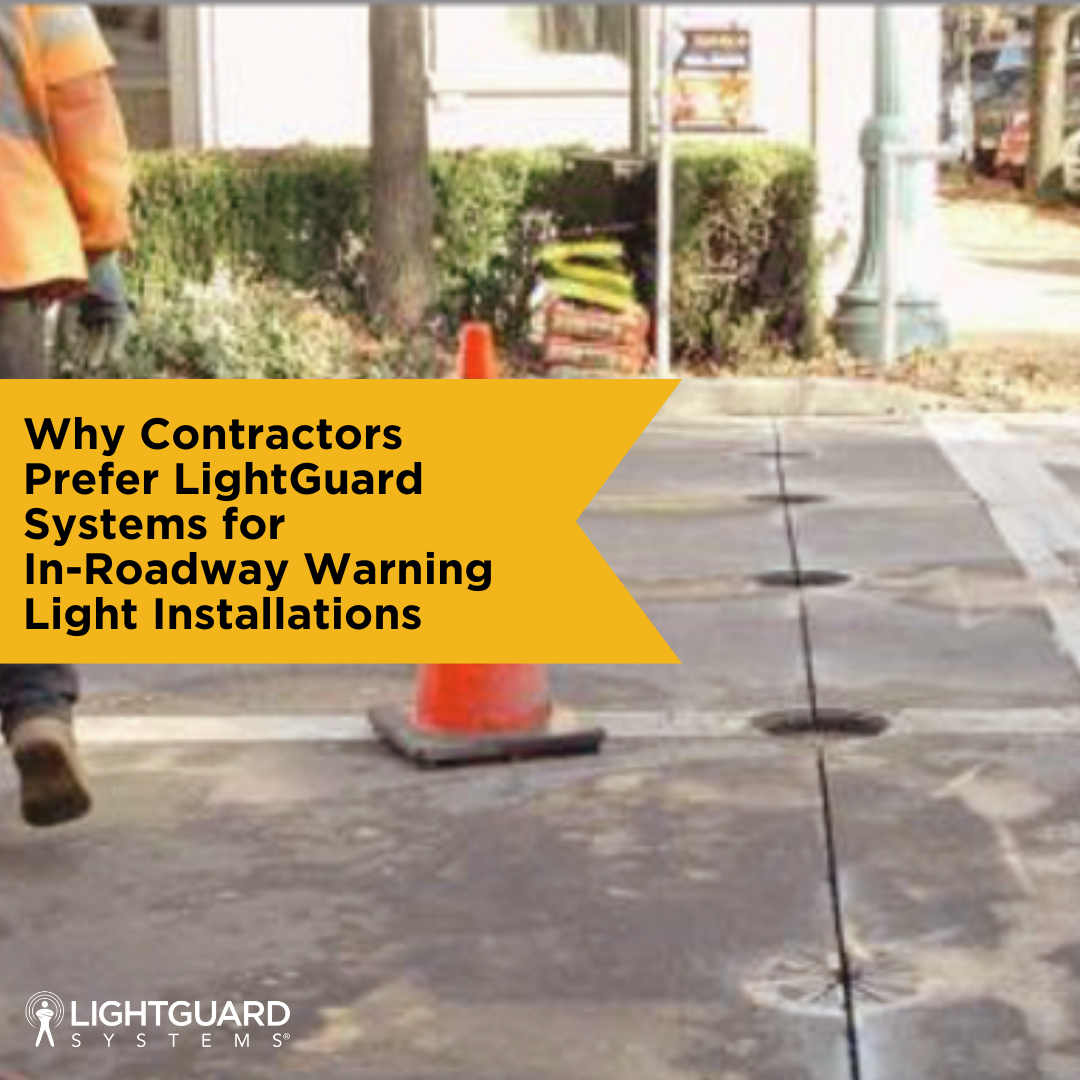
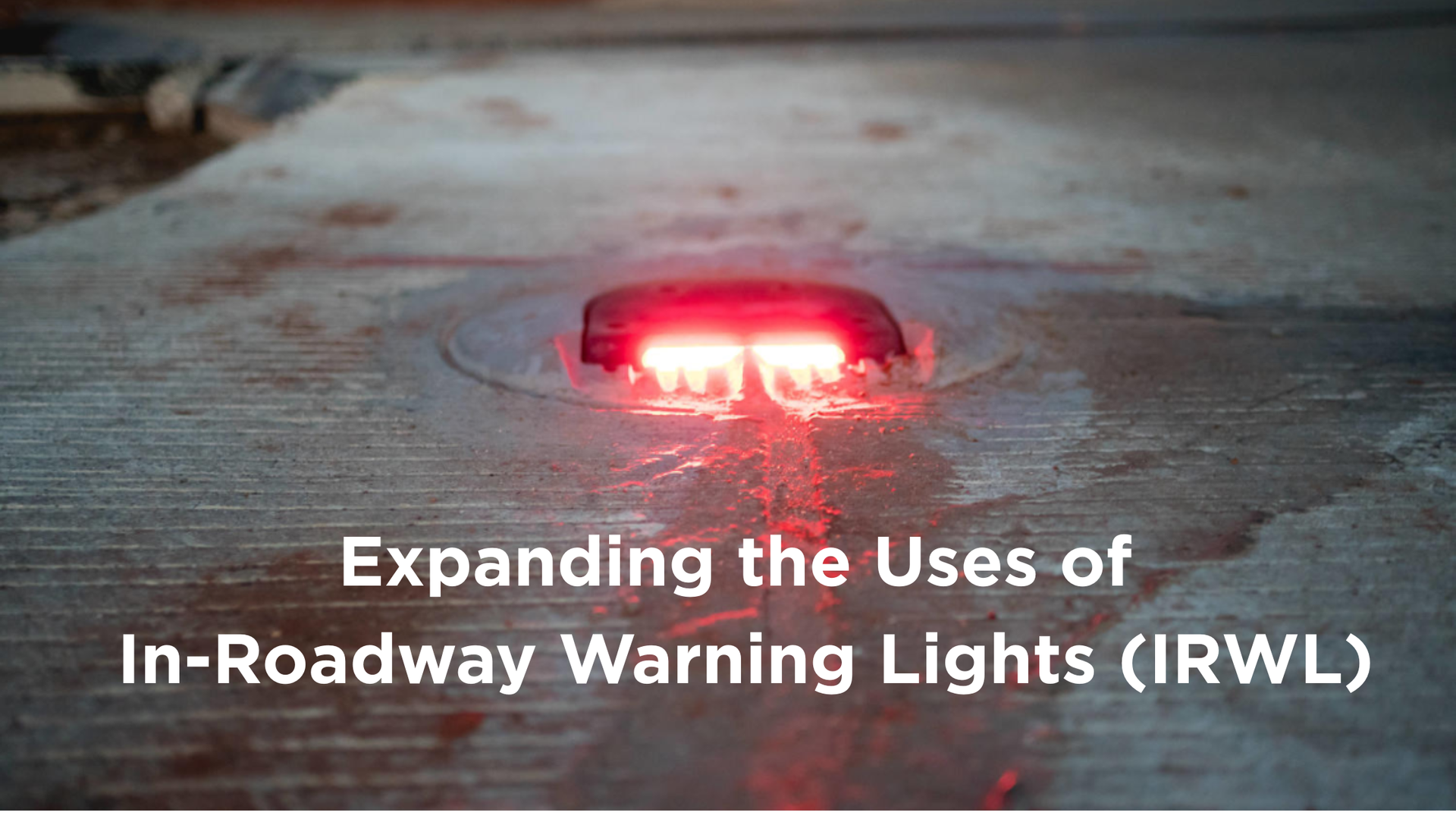
That is the advantage of in-roadway warning lights. Instead of relying only on roadside hardware, these systems create illuminated guidance embedded into the pavement area surrounding the crossing zone. Drivers see the warning closer to their natural sightline, which improves recognition speed significantly.
This becomes especially valuable on multi-lane roads where roadside signs may fall outside a driver’s immediate focus. The roadway lighting reinforces the crossing location from multiple viewing angles, giving drivers more time to react.
- Modern pedestrian crosswalk systems often combine overhead beacons with Smart Crosswalk to create layered visibility. One system catches attention at a distance. The other reinforces the crossing zone as vehicles approach closer. Together, they solve a problem that traditional painted markings never really handled well at night.
Visibility Matters More Than Complexity
The smartest pedestrian systems are not necessarily the most complicated ones.
A lot of roadway safety comes down to timing, placement, and visibility consistency. Drivers should understand the crossing instantly without needing to interpret unusual signals or overloaded signage. Simplicity usually performs better in real traffic conditions.
That is one reason active crosswalk warning lights continue to gain traction in school zones, municipal roadway upgrades, campus environments, and commercial properties with steady pedestrian traffic. They create immediate visual communication without depending entirely on driver anticipation.
At the same time, durable roadway warning lights provide an additional layer of guidance in areas where ambient lighting conditions shift constantly throughout the evening.
Final Take
The most effective roadway safety technology starts with a simple question: What do drivers actually notice under pressure?
Modern pedestrian crosswalk systems are far more effective at night because they are designed around real visibility limitations instead of ideal conditions. They account for glare, distraction, low contrast, weather, and delayed reaction time, all the things that affect nighttime driving, whether people admit it or not.
LightGuard Systems approaches roadway safety with that reality in mind. Through strategically designed crosswalk warning lights and highly visible roadway warning lights, she helps create crossings that drivers recognize earlier, and pedestrians trust more confidently after dark.
FAQs
1. How do pedestrian crosswalk systems improve nighttime safety?
Modern pedestrian crosswalk systems increase driver awareness using active lighting, improving pedestrian visibility and reducing delayed driver reaction times significantly.
2. Why are crosswalk warning lights more effective than static signs?
Crosswalk warning lights actively capture driver attention through flashing illumination, making crossings easier to recognize during low-visibility nighttime conditions.
3. What are roadway warning lights used for?
Roadway warning lights provide illuminated pavement-level visibility, helping drivers identify pedestrian crossing zones earlier and respond more safely at night.
4. Where are pedestrian crosswalk systems commonly installed?
Pedestrian crosswalk systems are commonly installed near schools, campuses, commercial properties, parking facilities, and high-traffic roadway crossing areas.
5. Why does LightGuard Systems focus on active visibility technology?
LightGuard Systems prioritizes active visibility technology because illuminated warning systems improve driver recognition and pedestrian safety more effectively after dark.




LightGuard Systems is a registered trademark™ of LightGuard Systems, Inc. Smart Crosswalk is a trademark™ name of LightGuard Systems, Inc. ©2021 LightGuard Systems, Inc. All rights reserved.
Let Us Help You Design a Safer Crosswalk System in Your Community! Contact LightGuard Systems Now.