Improving Pedestrian Safety at Parking Structures, Shopping Malls, and Casinos
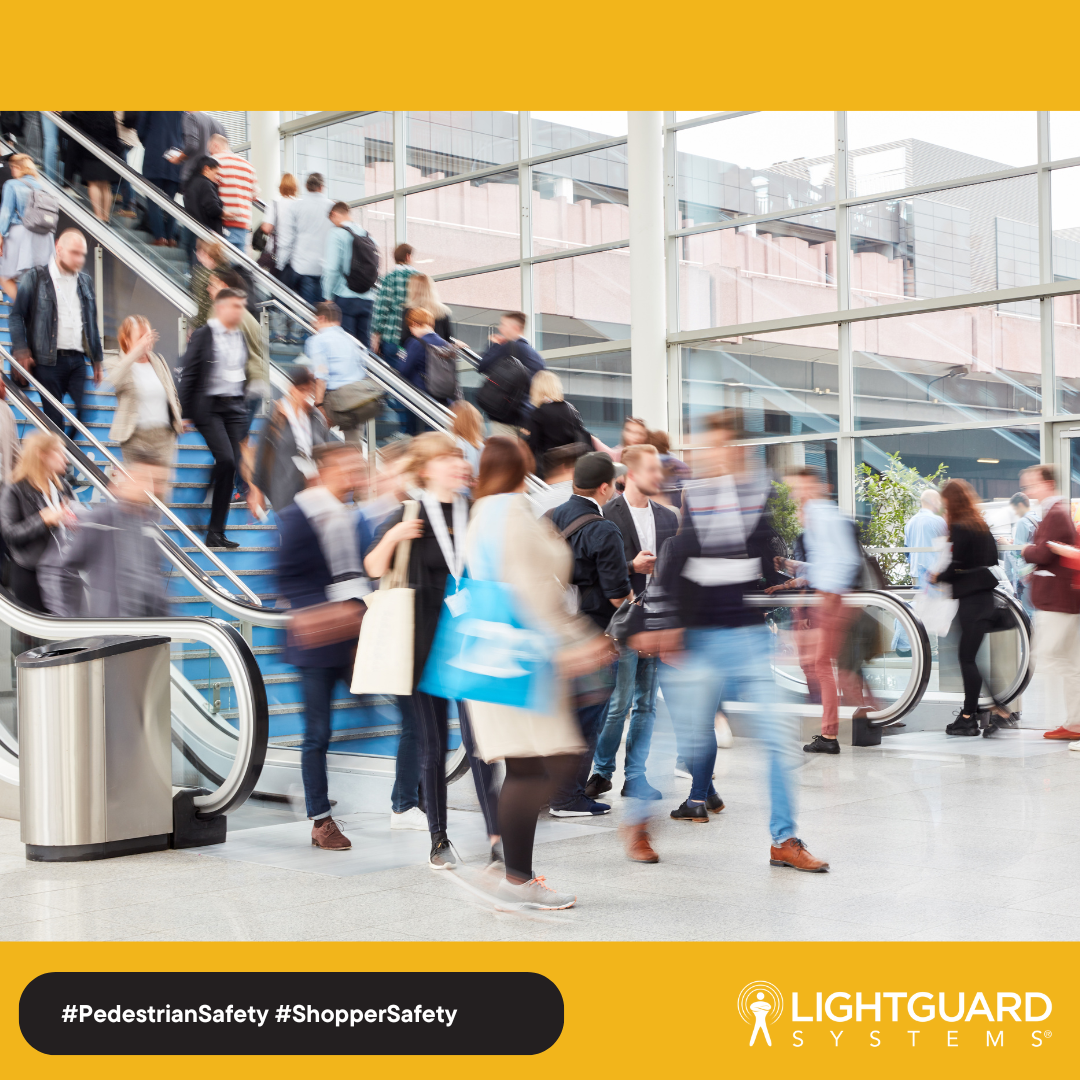
Pedestrian Holiday Safety at Retail Shopping Centers
Holiday foot traffic has a way of turning ordinary spaces into pressure points. Parking decks fill up faster than they were ever designed to handle. Mall entrances spill out into drive lanes. Even casino drop-offs, usually controlled and predictable, start to feel chaotic. Add shorter days, glare from headlights, the occasional rain or snow, and you get conditions where small lapses turn into real incidents. This is where landside pedestrian safety becomes a real, everyday concern, not just a planning term.
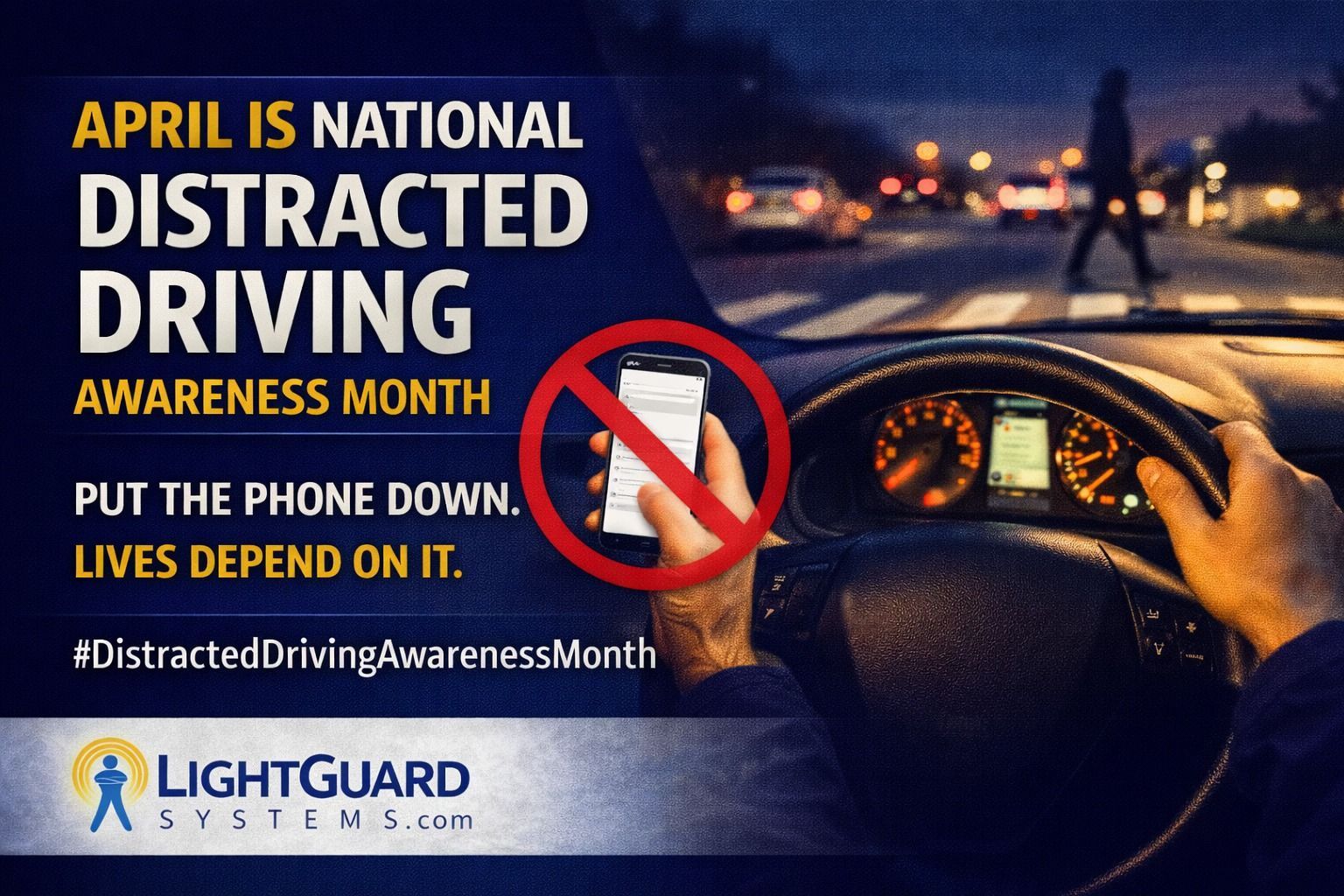
It’s rarely one big mistake. More often, it’s a stack of smaller ones. A driver is scanning for an open spot instead of the crosswalk ahead. A parent juggling bags and a distracted child. Someone is checking directions on their phone while stepping off a curb they’ve never used before. None of it is unusual. That’s the problem.
Where things tend to go wrong?
Parking structures
Garages are tricky even on a quiet weekday. Sightlines are tight, lighting is uneven, and corners come up quickly. During the holidays, that tension ramps up. Drivers circle longer, get impatient, and cut turns a bit tighter than they should. Pedestrians, meanwhile, drift between parked cars because there’s no clear path, or no one’s paying attention to it. It doesn’t take much for those two movements to intersect at the wrong moment. This is exactly the kind of environment where landside pedestrian safety measures need to be intentional, not reactive.
Retail shopping centers
Mall parking lots are deceptively risky. They’re wide, open, and feel less structured than a road, so people behave differently. Pedestrians cross wherever it seems convenient. Drivers treat lanes like suggestions. Throw in congestion and low visibility between SUVs, and you get a steady stream of near-misses, some of which don’t stay “near.” Strengthening landside pedestrian safety in these spaces often comes down to visibility and clear crossing cues.
Casino entrances and parking zones
Casinos amplify everything: volume, movement, distraction. Valet areas cycle vehicles quickly, rideshares stack up, and guests move in clusters. During peak periods, especially around holidays, the flow becomes constant. Drivers focus on navigating the queue; pedestrians assume they’ll be seen. That assumption doesn’t always hold. In these conditions, landside pedestrian safety depends heavily on systems that can cut through noise and distraction.
Why lighted crosswalks actually make a difference?
There’s a reason illuminated crossings keep showing up in high-risk areas. They don’t rely on people behaving perfectly. They work with the reality of how people move.
They catch a driver’s eye early
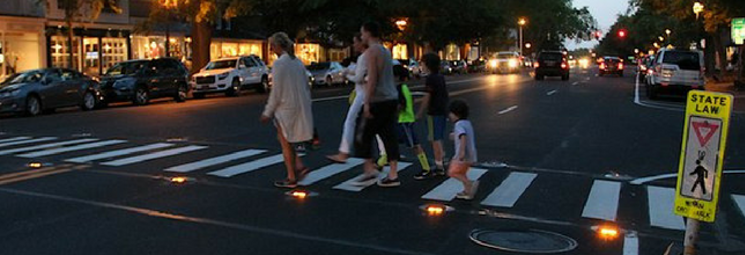
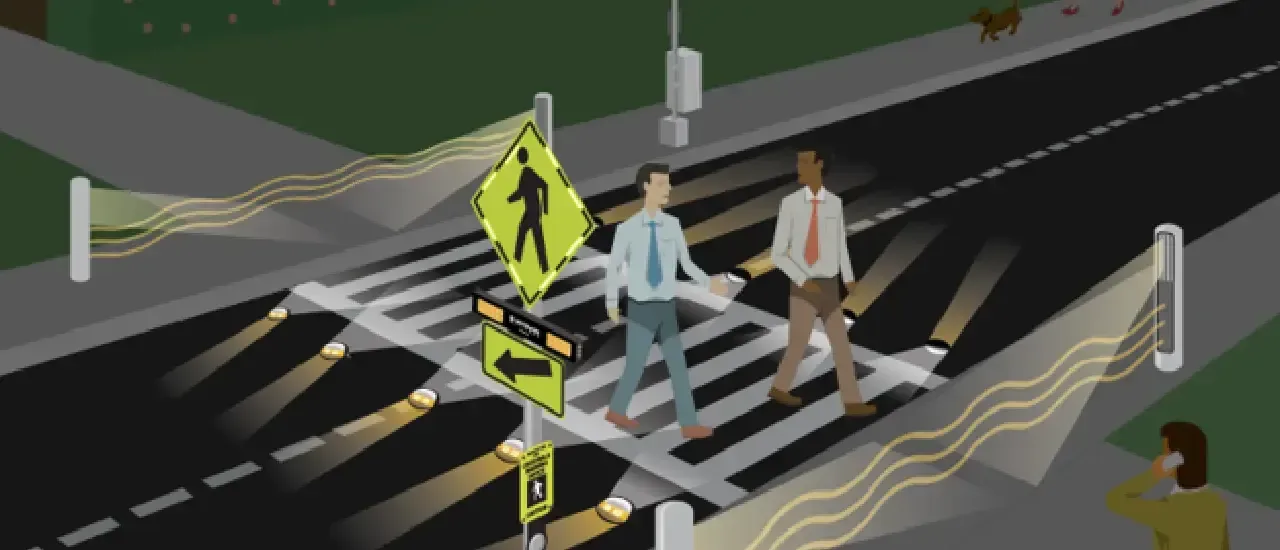
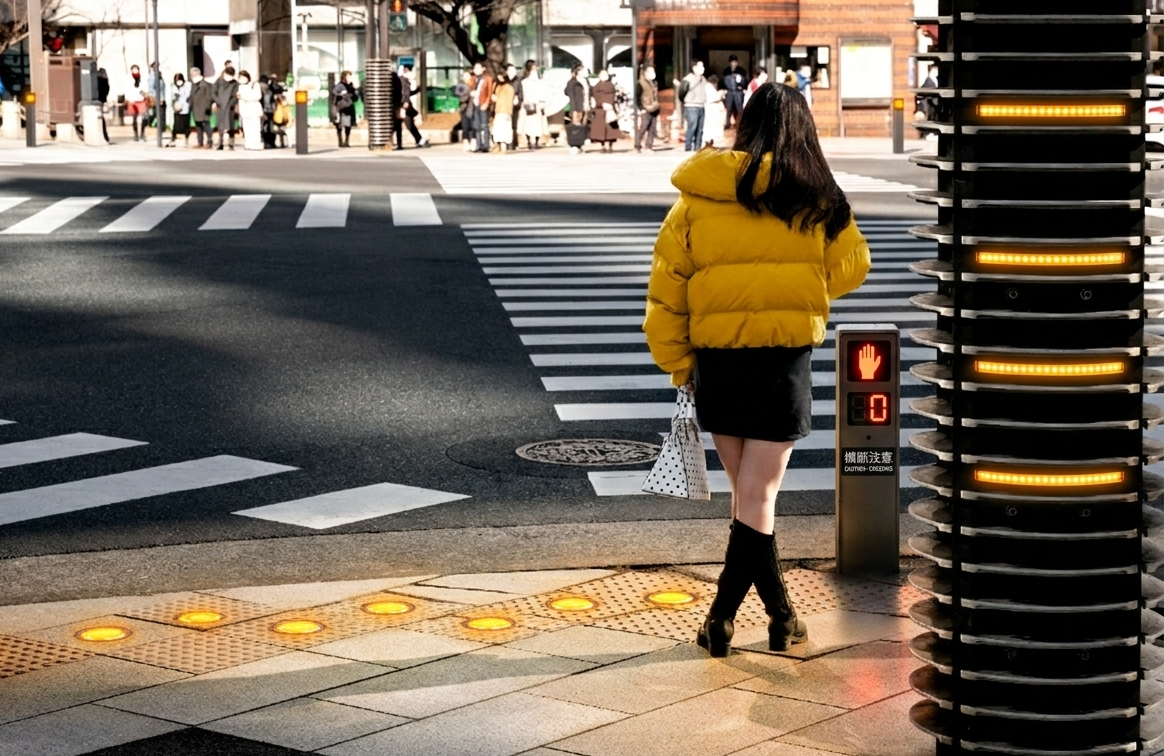
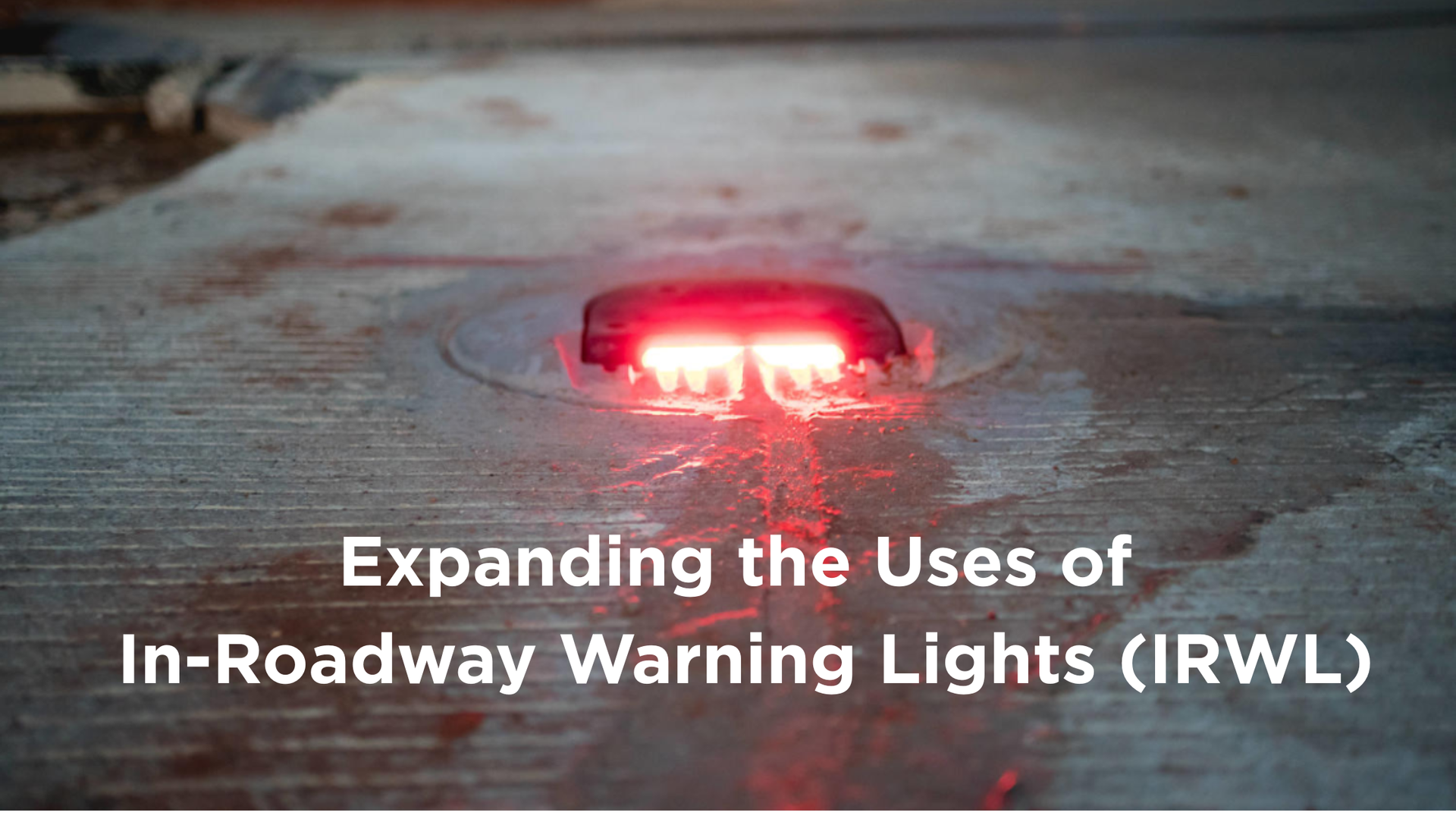
In-road LED systems, especially those that activate when someone approaches, create a signal that cuts through visual clutter. In a dim garage or a crowded lot, that flash of light registers faster than paint on asphalt. It gives drivers a fraction more time to react. Sometimes that’s all you get. In fact, improving landside pedestrian safety often starts with making the crossing impossible to ignore.
They guide pedestrians without saying a word
When a crosswalk is clearly visible, lit, defined, and hard to miss, people tend to use it. Not always, but more often. In sprawling lots where crossings are easy to ignore, that subtle guidance matters.
They hold up under seasonal pressure
Holiday traffic isn’t just heavier; it’s messier. More unfamiliar drivers, more distractions, more urgency. A lighted system doesn’t depend on ideal conditions. It stays visible in low light, in bad weather, in the middle of a packed Saturday evening.
They reduce incidents in measurable ways
Well-placed illuminated crossings have been shown to cut pedestrian-related accidents significantly, particularly in low-visibility environments. It’s not a cure-all, but it shifts the odds in a meaningful direction.
Getting it right on the ground
Installing lighted crosswalks isn’t complicated, but doing it well requires some attention to detail.
Start with how people actually move
Watch where pedestrians cross, not where they’re supposed to. The desire paths tell you everything. Corners with blind turns, mid-lane crossings near entrances, poorly lit stretches between structures, those are your candidates.
Work with what’s already there
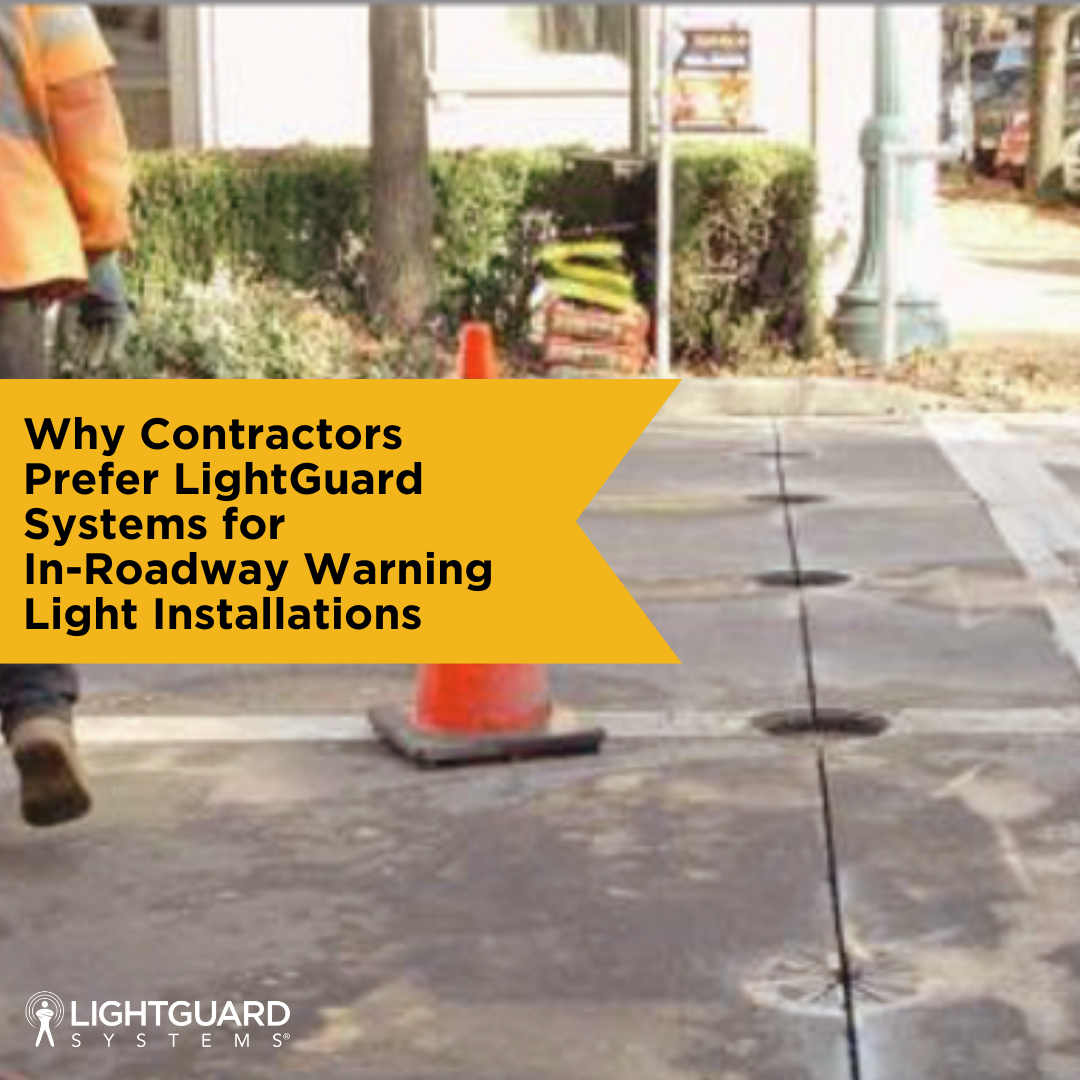
Most systems can be added to existing crossings without tearing up the site. That matters for cost, but also for speed. The faster you can implement; the sooner you reduce exposure.
Use solar where it makes sense
In open lots or campuses, solar-powered units can simplify installation and cut long-term operating costs. They’re not right for every setting, but when they fit, they’re practical.
Let people know they exist
A quick sign, a note in a tenant app, even a small announcement, these things help. People don’t use what they don’t notice.
A few additional moves that still matter
Lighting helps, but it works best alongside other, simpler measures:
● Visible presence: A security or traffic attendant during peak hours can smooth out chaos quickly.
● Clear reminders: Signage that nudges pedestrians to stay alert and drivers to slow down still earns its keep.
● Speed control: Speed bumps, stop markings, and tighter lane design force better behavior than signs alone.
● Maintenance: Faded paint and broken fixtures quietly undo everything else. It’s not glamorous work, but it’s essential.
Final thought
There’s no single fix for pedestrian safety in high-traffic environments, especially during the holidays. But visibility, real, unmistakable visibility, goes a long way. Lighted crosswalks don’t depend on perfect attention or ideal conditions. They step in where human behavior falls short, which, if we’re honest, is exactly where most problems start.
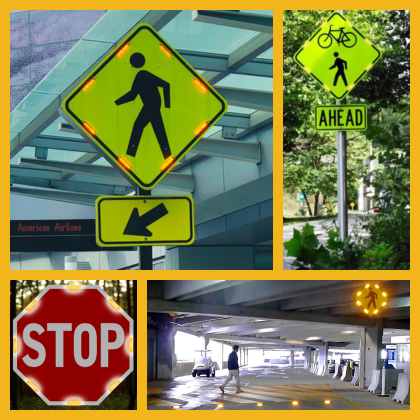
With solutions designed specifically for real-world conditions, LightGuard Systems helps property owners strengthen safety through advanced pedestrian safety lights that make crossings clearer, smarter, and far harder to miss.

LightGuard Systems is a registered trademark™ of LightGuard Systems, Inc. Smart Crosswalk is a trademark™ name of LightGuard Systems, Inc. ©2021 LightGuard Systems, Inc. All rights reserved.
Let Us Help You Design a Safer Crosswalk System in Your Community! Contact LightGuard Systems Now.