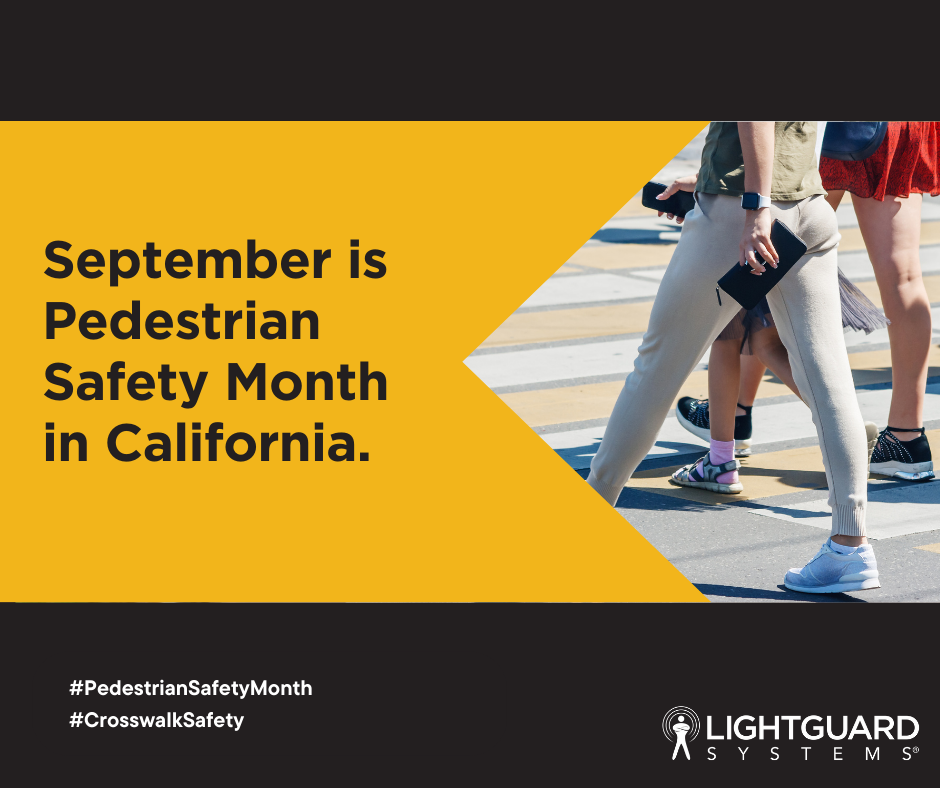
September is Pedestrian Safety Month in California
According to the National Highway Traffic Safety Administration, traffic fatalities climbed to 42,915 in 2021, a level the country hadn’t seen in over a decade and a half. That’s not a marginal uptick; it’s a sharp 10.5% jump from the year before. What’s more troubling is where those increases are happening. Pedestrian deaths rose by 13%. Cyclist fatalities edged up another 5%. And the figure that tends to stop people mid-sentence: 7,485 pedestrians killed in a single year. That’s the highest count in roughly forty years, and it’s exactly why pedestrian safety systems are no longer optional in high-risk environments.
Zoom in on California, and the pattern holds. UC Berkeley’s SafeTREC data shows pedestrian deaths climbing from 933 in 2016 to 986 in 2020. Not a dramatic spike at first glance, but steady increases like that tend to signal something structural. Infrastructure, behavior, and enforcement are usually a mix of all three. In many of these cases, the absence or inconsistency of pedestrian safety systems becomes part of the problem.
There’s another layer that’s harder to ignore. The burden isn’t shared equally. The Dangerous By Design 2022 report makes it clear that Native and Black Americans face a significantly higher risk when walking. That’s not a coincidence. It points to long-standing gaps in street design, investment, and access to safer infrastructure. These are not random incidents. They’re patterns. And patterns can be changed, especially when cities commit to better-designed pedestrian safety systems that serve all communities.
What “pedestrian safety” actually looks like on the ground?
Every September, the California Office of Traffic Safety pushes Pedestrian Safety Month into public view. Campaigns, reminders, partnerships, it all helps. But real change tends to show up in the small, repeatable behaviors people carry into everyday movement.
For drivers, it’s not complicated, though it’s often neglected:
●
Slow down where it matters
Intersections, especially the ones that don’t look dangerous, are where most close calls happen. Speed shrinks’ reaction time. Always has.
●
Treat crosswalks as an active space
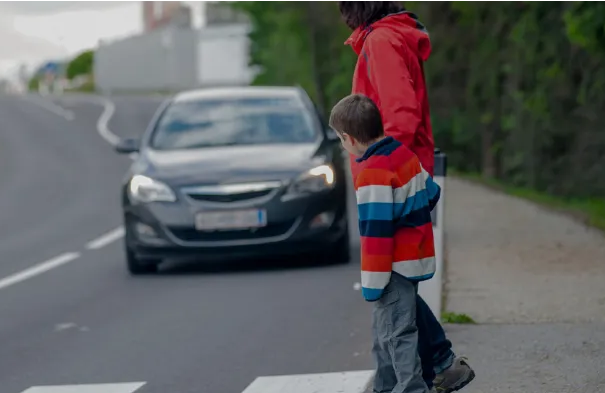
Marked or not, if someone is stepping in, the right-of-way is clear. Stopping before the line, not halfway into it, keeps sightlines open for everyone else.
●
Don’t block the path.
It seems minor, but a car sitting in a crosswalk forces pedestrians into traffic. That’s how avoidable risks get introduced.
●
Drive sober, full stop.
Impairment dulls judgment in ways people tend to underestimate. The margin for error is already thin.
Pedestrians, on the other hand, carry a different kind of responsibility, less control, but still, some influence over outcomes:
●
Stay present
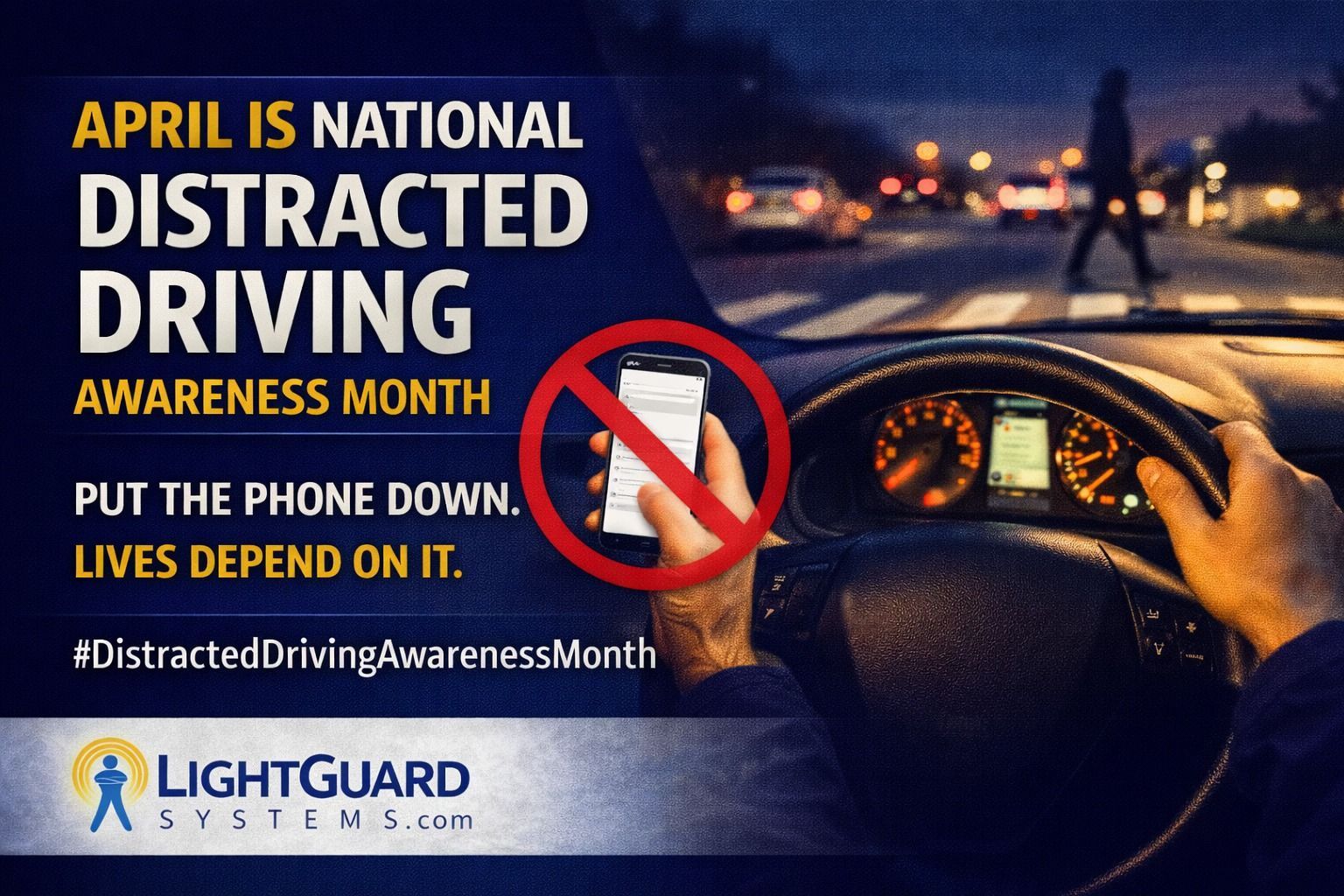
Phones, conversations, distractions, they all chip away at awareness. A glance can make the difference.
●
Use crossings where drivers expect you.
Signalized intersections aren’t perfect, but they’re predictable. Predictability matters more than convenience.
●
Make eye contact when you can
It’s a simple check. If the driver hasn’t seen you, don’t assume they will.
●
Be visible, especially at night
Dark clothing, poor lighting, fast traffic, it’s not a forgiving combination.
Tools and resources that actually help
California has built a decent network of safety resources over time. The California Office of Traffic Safety continues to publish guidance through its Go Safely CA initiative. Organizations like California Walks and America Walks push for policy changes and better street design, while NHTSA keeps national data and safety campaigns moving forward.
They’re useful, but they’re not enough on their own. Information doesn’t slow a car down. Infrastructure does, and that’s where well-implemented pedestrian safety systems start to make a measurable difference.
Where infrastructure steps in
This is where well-designed interventions start to shift outcomes. Not in theory, but in the day-to-day friction points, mid-block crossings, poorly lit intersections, and roads that encourage speed when they shouldn’t.
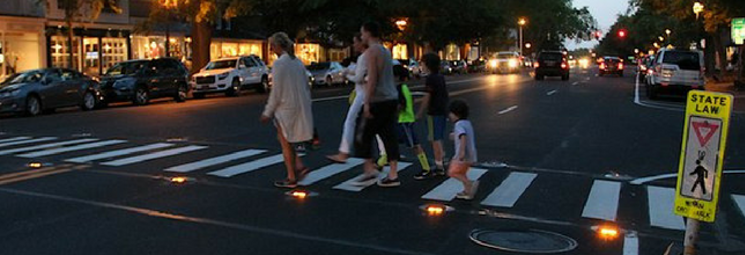
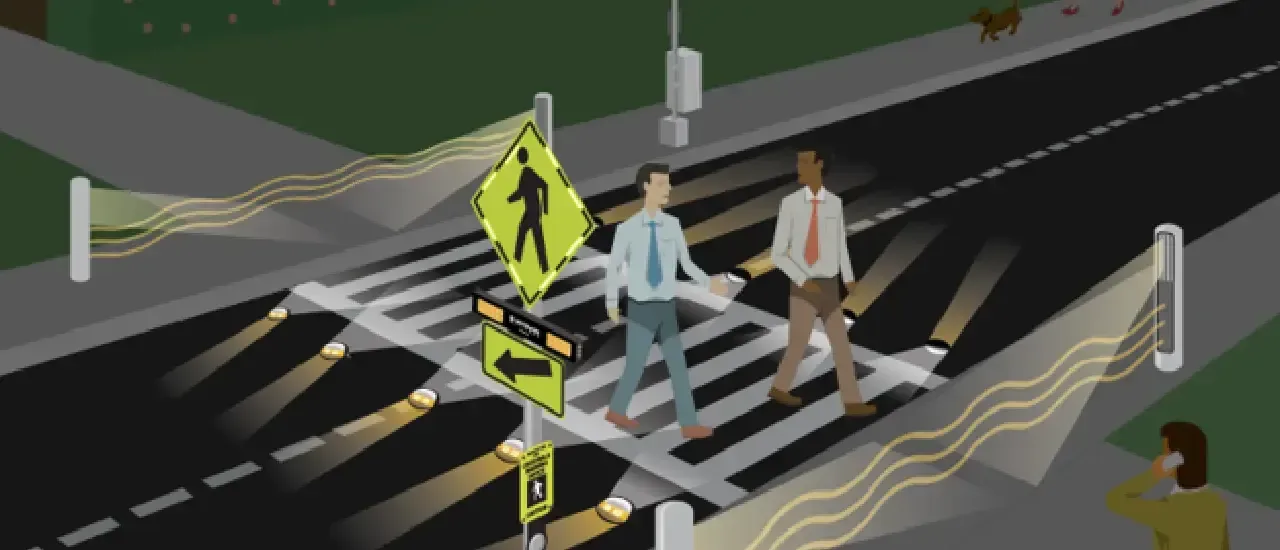
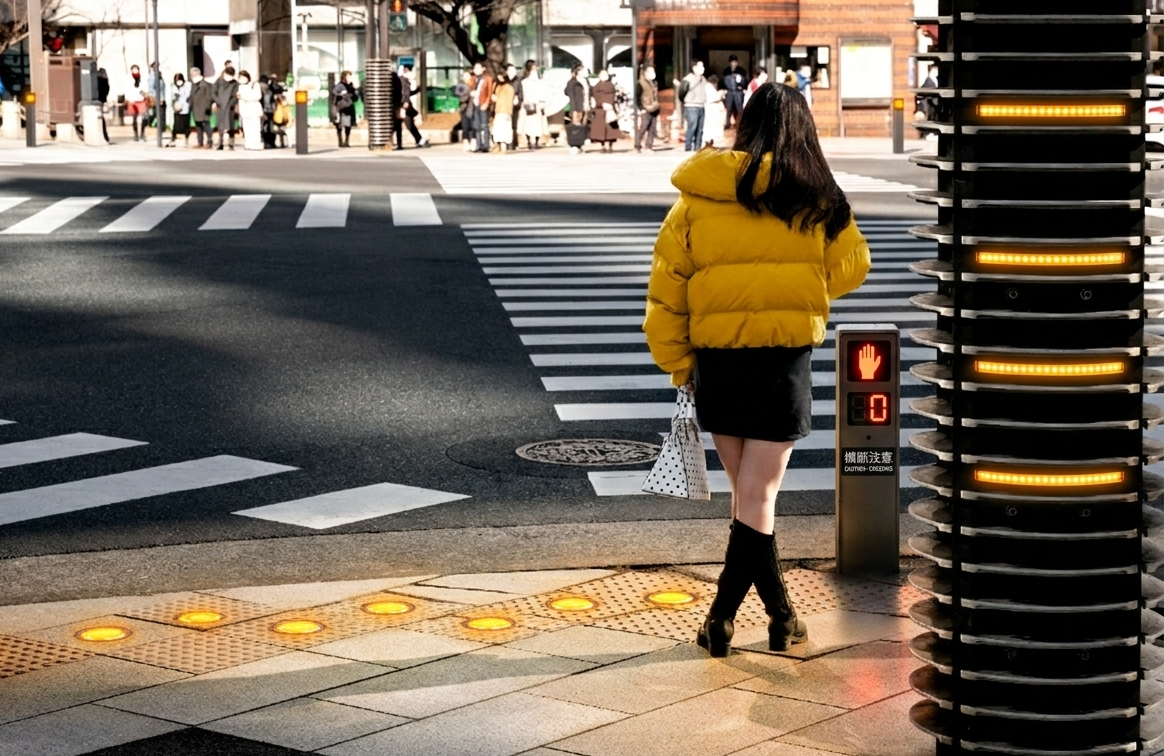
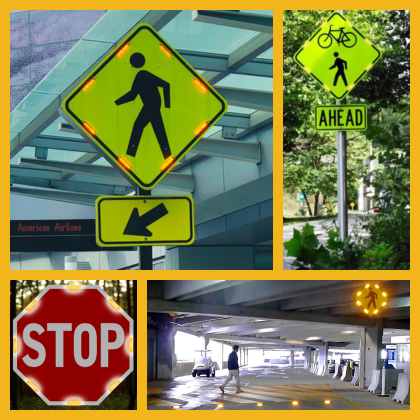
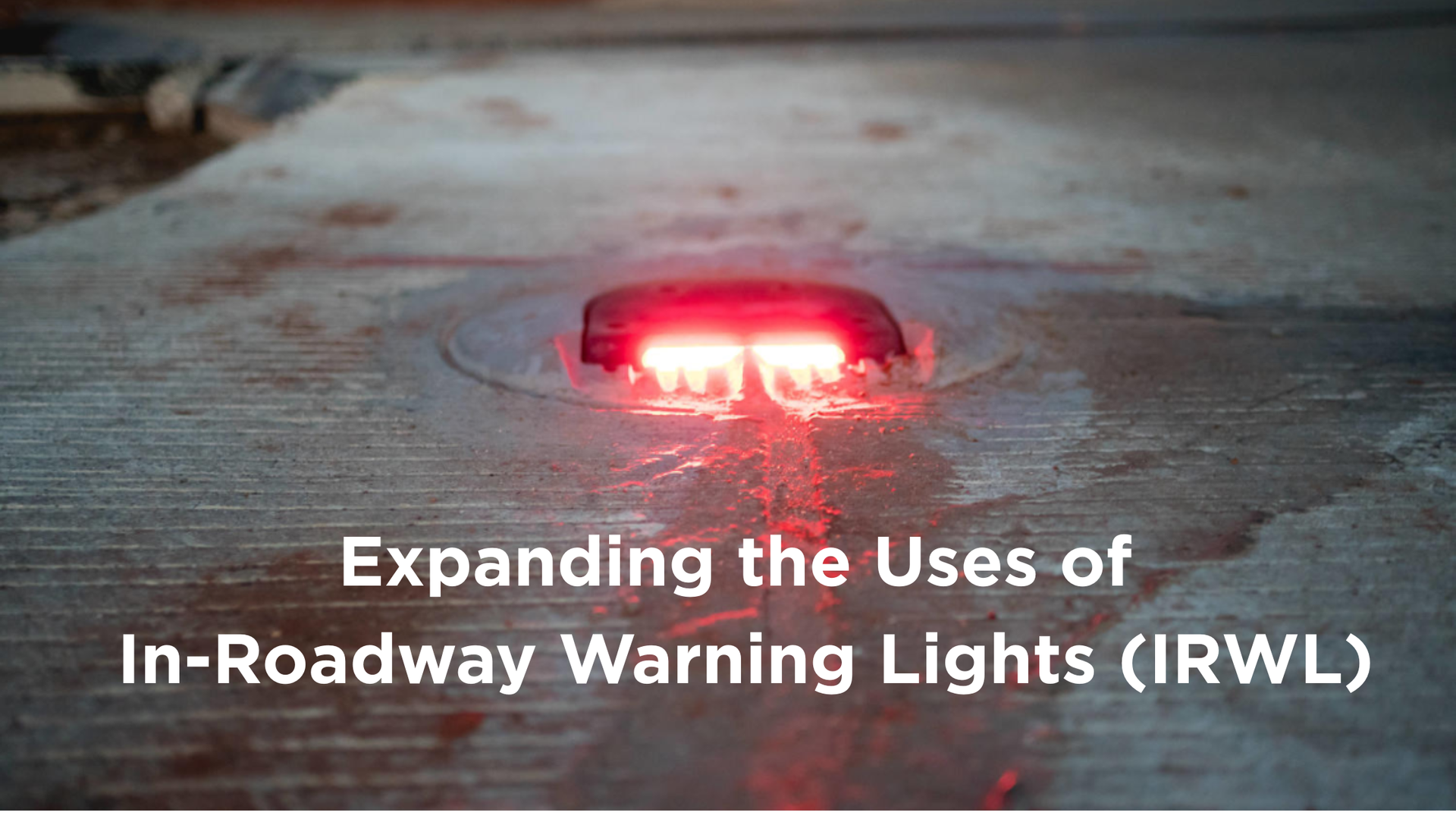
Adding a lighted crosswalk, particularly one built with in-roadway warning lights and flashing beacons, changes how a space behaves. It introduces a clear signal where there wasn’t one before. Drivers notice it earlier. They hesitate, or better yet, they stop. Pedestrians gain a defined place to cross, something that feels intentional rather than improvised. These are the kinds of pedestrian safety systems that quietly reshape behavior without needing constant enforcement.
Systems developed by LightGuard Systems lean into that principle. The combination of embedded LED lighting, rectangular rapid flashing beacons, and sensor-based activation doesn’t rely on perfect human behavior. It assumes distraction, limited visibility, and uneven attention and works around those realities. That’s why these installations tend to perform best in low-light conditions or areas where traditional markings get lost in the background.
No single solution fixes a nationwide trend. But the right interventions, placed where they matter most, start to bend the curve. Not dramatically at first. Just enough to prevent the next close call from becoming something worse. And over time, that’s how the numbers begin to move in the right direction, especially with thoughtfully deployed
flashing stop signs that prioritize visibility and driver response where it counts.

LightGuard Systems is a registered trademark™ of LightGuard Systems, Inc. Smart Crosswalk is a trademark™ name of LightGuard Systems, Inc. ©2021 LightGuard Systems, Inc. All rights reserved.
Let Us Help You Design a Safer Crosswalk System in Your Community! Contact LightGuard Systems Now.