School Crossing Safety Systems Help Kid
With the end in daylight savings, school crossing safety is even more critical
Why School Crossings Need More Attention After Dark
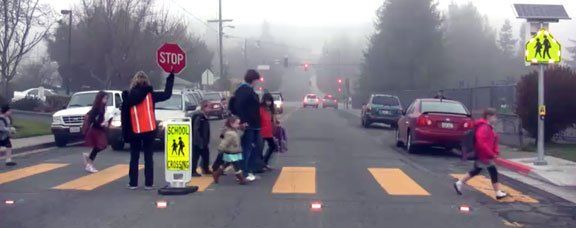
For a lot of kids, walking to school is one of the few independent parts of the day. They walk with siblings, race friends to the corner, and drag backpacks through puddles after rain. But the walk home, especially in late fall and winter, comes with a problem most drivers’ underestimate: visibility drops fast, and school crossings become harder to read in real time.
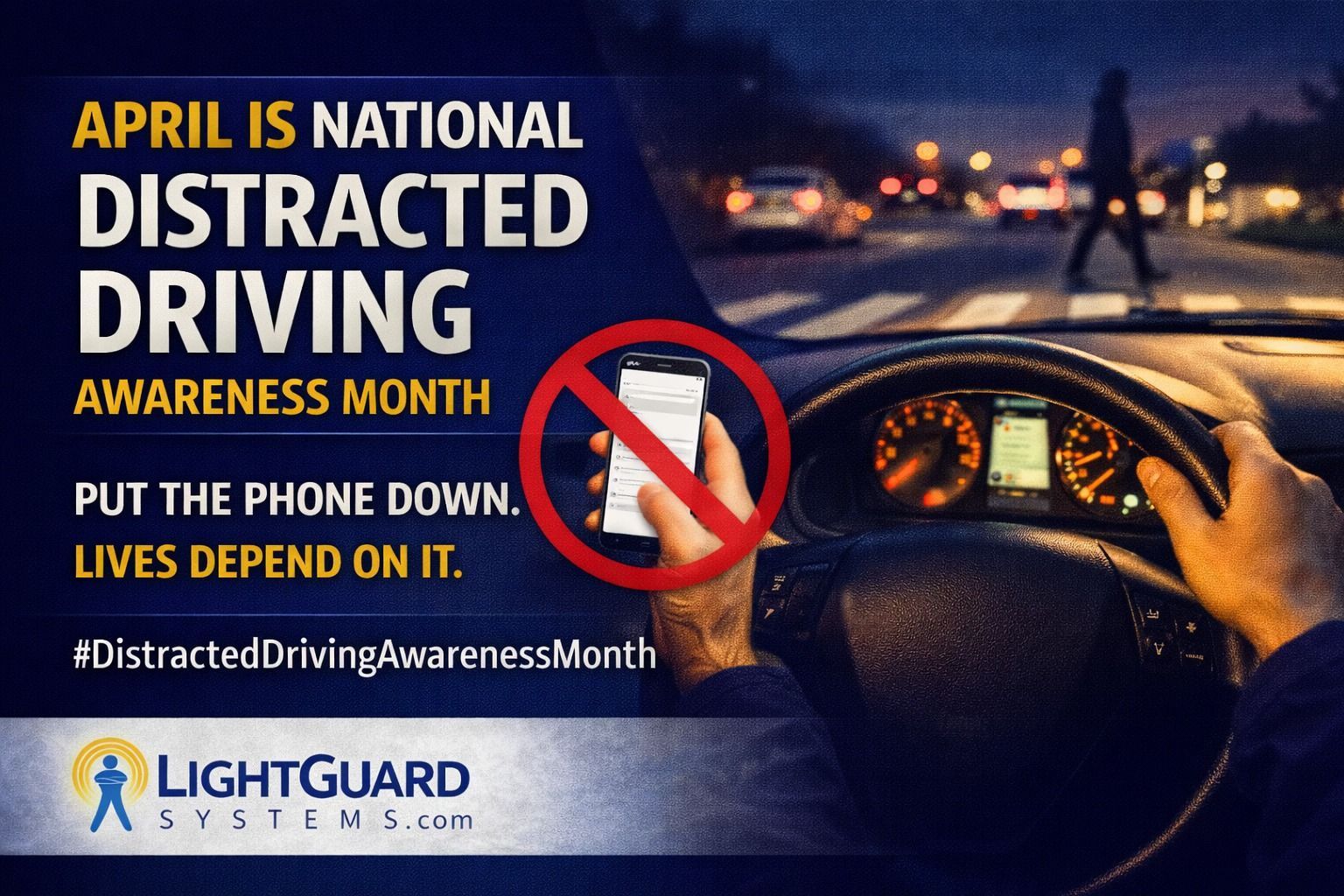
The numbers back that up. According to the U.S. Department of Transportation, nearly 20% of pedestrian fatalities happen between 3 p.m. and 7 p.m. Those are the exact hours when schools let out, traffic thickens, and daylight disappears earlier than people expect. It only takes one distracted driver missing a crossing by a few seconds.
That’s why more municipalities have started investing in crosswalk warning systems and pedestrian crosswalk systems, particularly around schools and high-foot-traffic intersections.
What Crosswalk Warning Systems Actually Do
A good crosswalk warning system does something simple but incredibly important: it forces drivers to notice the crossing before they reach it.
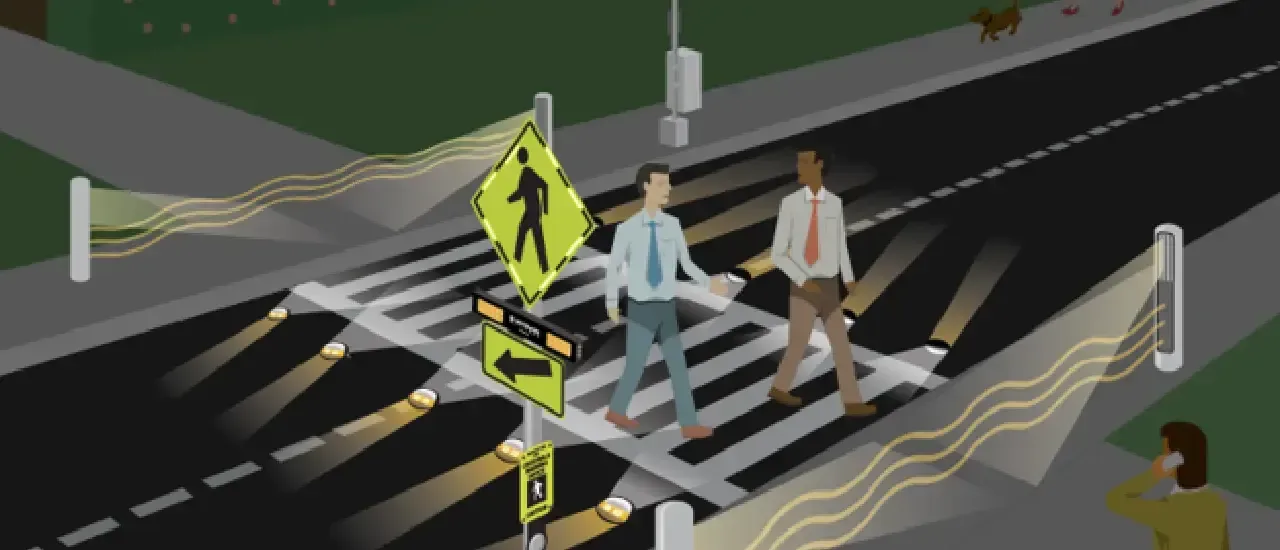
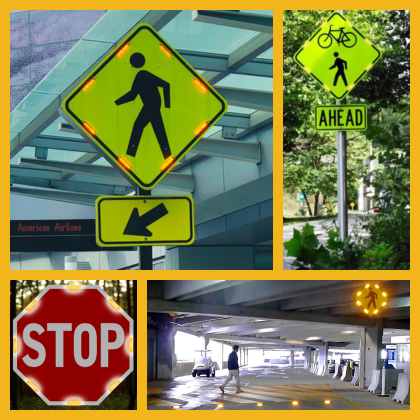
The flashing lights and flashing pedestrian crossing signs cut through visual clutter that standard painted lines often can’t compete with, especially at dusk, during rain, or on roads crowded with headlights and signage. Some systems activate when a pedestrian presses a button. Others use motion detection or timed programming tied to school schedules.
Either way, the goal is the same. Slow traffic down early enough for drivers to react safely.
And honestly, that reaction time matters more than people think. At higher speeds, even a small delay in noticing a pedestrian dramatically increases the severity of a collision. A bright, unmistakable signal gives drivers an extra second or two. Sometimes that’s the difference between a close call and a tragedy.
Visibility Changes Everything
Traditional school crossing signs still serve a purpose, but static signs rely heavily on drivers already paying attention. Flashing crosswalk warning systems and flashing pedestrian crossing signs create movement and contrast, which the human eye naturally responds to faster.
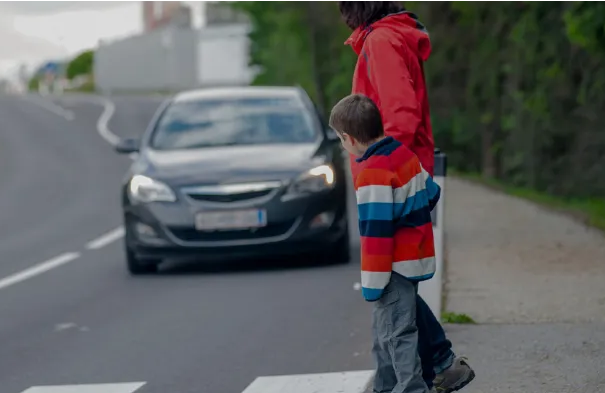
That becomes especially important during darker months when children are walking home in low-light conditions. Kids are smaller, harder to see between parked vehicles, and less predictable in how they move near intersections. Any pedestrian crosswalk systems that increase visibility give everyone involved a better margin for error.
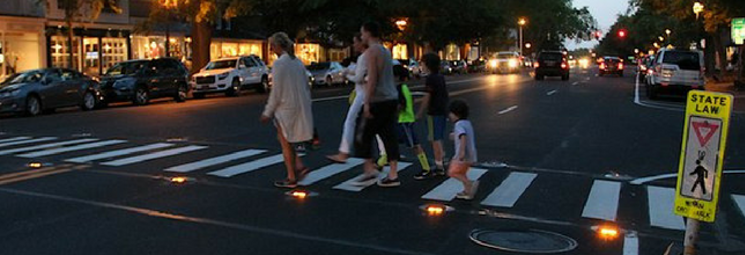
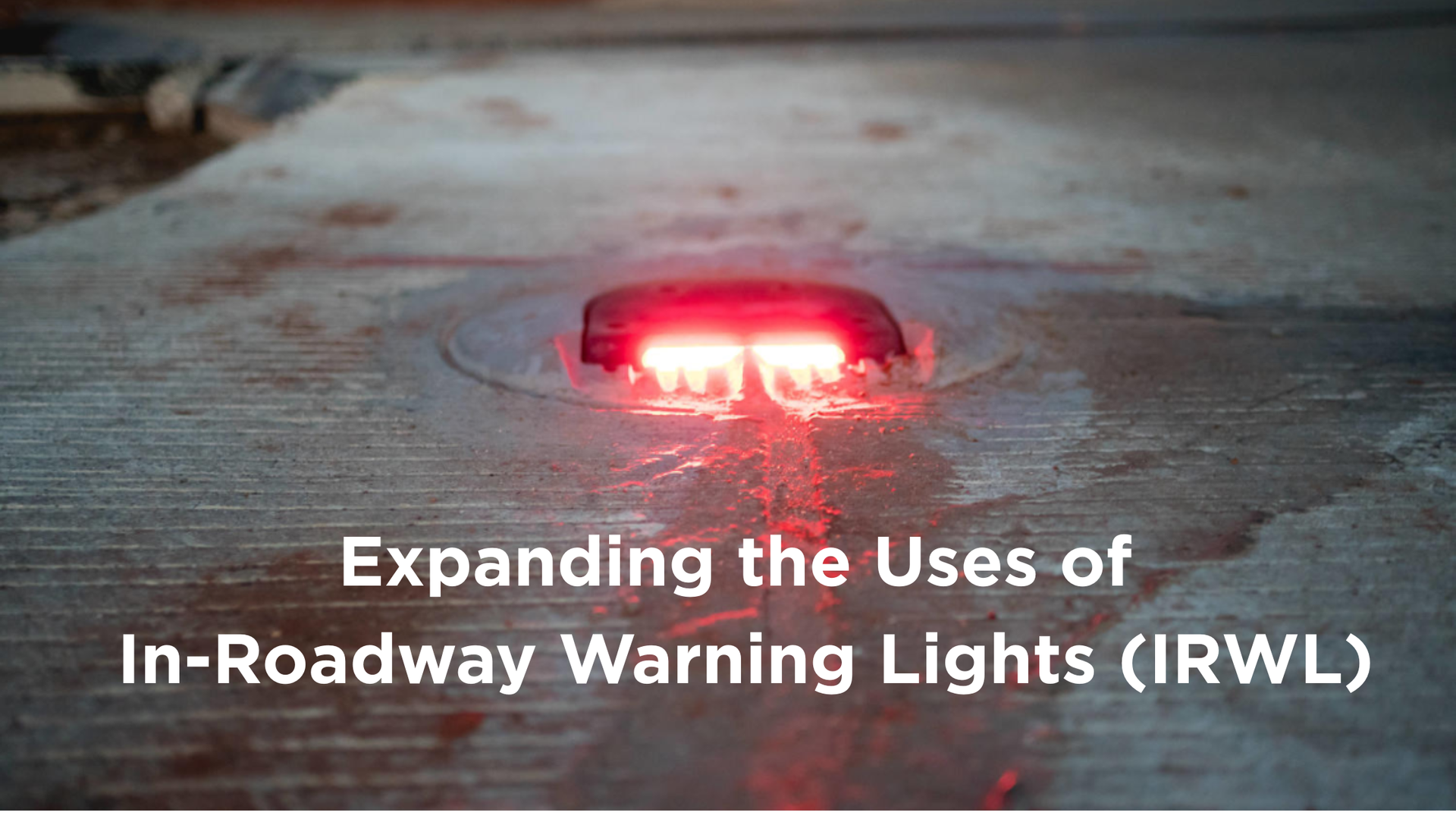
You see this most clearly near multilane roads or wide suburban intersections where drivers may not immediately spot pedestrians stepping off the curb. In-road lighting and active warning signals help bridge that gap before a vehicle enters the crossing zone.
Safer Crossings Also Shape Better Habits
There’s another benefit that rarely gets discussed enough.
Children pay attention to infrastructure. When crossings are clearly marked, illuminated, and consistently used, kids are more likely to treat them as the correct and expected place to cross. That sounds small, but over time, it reinforces safer routines.
Parents notice the difference, too. A protected crossing tends to reduce hesitation and anxiety, particularly in busy pickup areas where traffic patterns become chaotic for an hour or two every afternoon.
No system removes risk entirely, of course. But crossings that feel visible and intentional tend to encourage better behavior from both pedestrians and drivers.
Not Every School Zone Has the Same Needs
One reason modern pedestrian crosswalk systems work well is flexibility. A school near a quiet residential street need something very different from a crossing beside a four-lane arterial road.
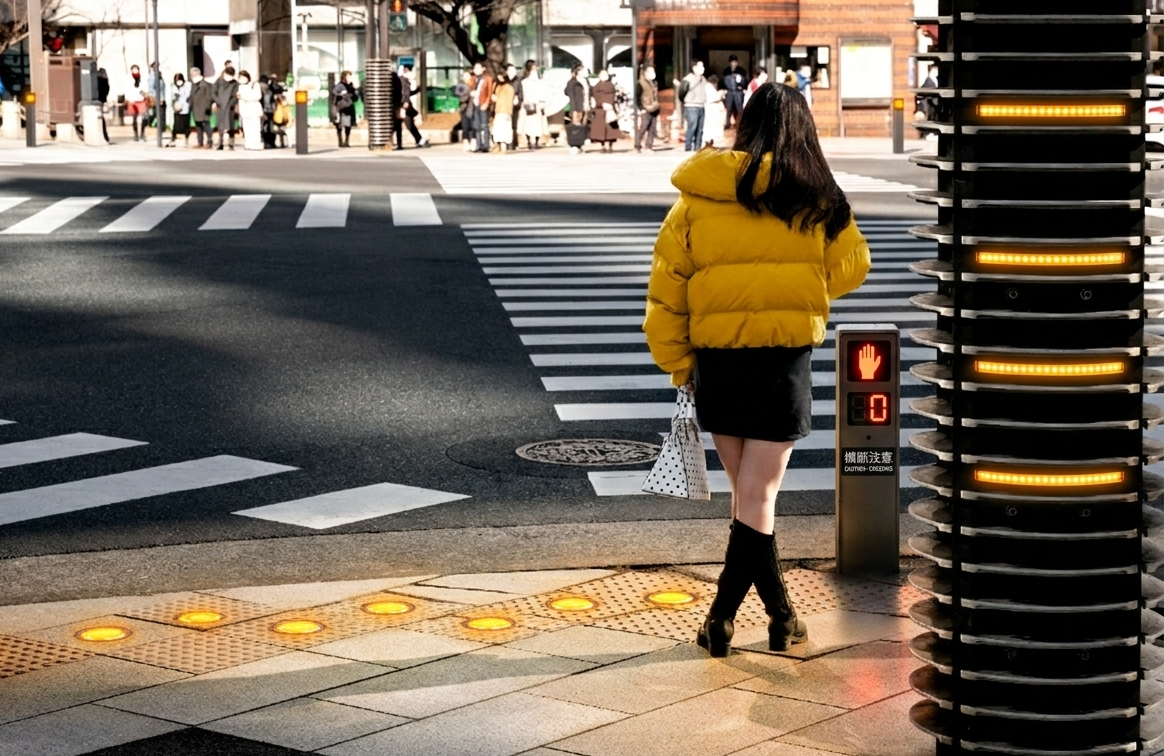
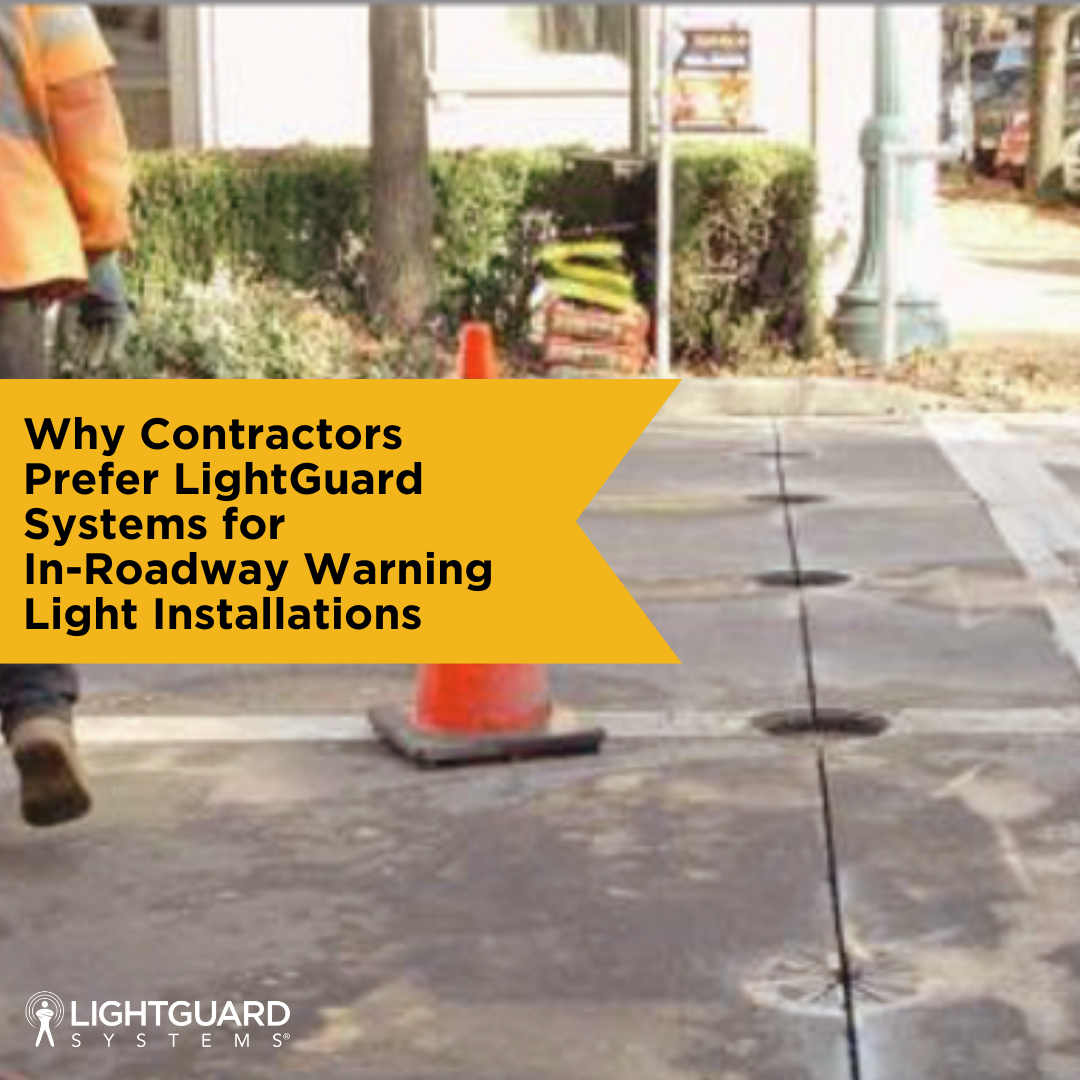
Some areas benefit from overhead flashing beacons. Others need in-roadway warning lights embedded directly into the pavement where drivers can’t miss them. Certain districts program systems to activate only during arrival and dismissal times, which helps maintain driver responsiveness instead of creating “background noise” that people eventually ignore.
The best installations usually come from studying actual traffic behavior, not just checking a compliance box.
A Practical Safety Measure, Not Just Another Traffic Device
School crossings are one of those places where small infrastructure decisions carry enormous consequences. Better lighting, clearer signals, flashing pedestrian crossing signs, and visible pedestrian alerts don’t just improve traffic flow. They give drivers more time to respond and give children a safer path home.
As daylight hours shrink and roads become harder to navigate in the evening rush, pedestrian crosswalk systems stop feeling optional. They become part of the basic responsibility of designing streets that people, especially children, can safely use every day.

LightGuard Systems is a registered trademark™ of LightGuard Systems, Inc. Smart Crosswalk is a trademark™ name of LightGuard Systems, Inc. ©2021 LightGuard Systems, Inc. All rights reserved.
Let Us Help You Design a Safer Crosswalk System in Your Community! Contact LightGuard Systems Now.